

Table of Contents
Understanding Heavy Duty Steel Yard Ramps
In today’s fast-paced industrial environments, efficient loading and unloading operations are crucial for maintaining productivity in warehouses and distribution centers. We often see facilities facing challenges with uneven ground or limited dock space, where a understanding yard ramps becomes essential. The heavy duty steel yard ramp emerges as a reliable solution, bridging the gap between ground level and truck beds to facilitate smooth forklift access.
Heavy duty steel yard ramps represent robust, engineered platforms designed for seamless loading and unloading without the need for permanent loading docks. Constructed from high-strength carbon steel, these industrial steel loading ramps offer exceptional durability and longevity, far surpassing alternatives in demanding applications. In a typical distribution center scenario, they enable workers to move pallets efficiently between trucks and storage areas. Key features include load capacities ranging from 12,000 to 30,000 pounds, as per MHI specifications for loading equipment, ensuring compliance with industry safety ratings. These durable warehouse access ramps support forklifts in warehousing and logistics, providing versatile options like portable yard ramp setups for temporary sites and mobile yard ramp configurations for on-the-go operations.
To illustrate their advantages, consider the following comparison:
| Feature | Steel Yard Ramps | Aluminum Yard Ramps | Wooden Alternatives |
|---|---|---|---|
| Load Capacity | Up to 30,000 lbs | 20,000 lbs max | Limited, often under 10,000 lbs |
| Weight | Heavier but stable | Lighter for mobility | Very light but less durable |
| Cost | Moderate long-term value | Higher initial but portable | Lower upfront, higher maintenance |
As outlined in MHI guidelines, steel construction provides superior strength and resistance to wear, making it ideal for high-volume use, while wooden options often require frequent replacement due to splintering and degradation under heavy loads. This durability translates to cost savings over time for facilities handling substantial material flows.
In the sections ahead, we will delve deeper into the fundamentals of these ramps, exploring core components, capacities, and best practices for selection and usage. Our insights aim to equip you with the knowledge needed for optimal integration into your operations, ensuring safe and efficient material handling across various industrial settings.
Fundamentals of Steel Yard Ramps
In the material handling industry, a Steel Yard Ramp serves as a vital bridge for ground-to-dock transitions, enabling forklifts to load and unload trucks efficiently without permanent dock infrastructure. We have seen how these ramps enhance workflow in warehouses across the United States, providing flexible access in dynamic environments. The heavy duty steel yard ramp, in particular, stands out for its reliability in demanding operations, supporting capacities that align with industry standards.
At its core, a steel yard ramp consists of a sloped platform that connects ground level to trailer heights, typically adjustable via a manual crank system. Key components include the ramp surface, engineered for traction with serrated steel plating to prevent slips during forklift travel; side curbs that contain loads and enhance safety; and a sturdy leg assembly for stability on uneven terrain. According to MHI Specifications for Loading Equipment, these elements ensure compliance with rigorous safety protocols. For capacities, our stock series yard ramps offer options from 12,000 pounds for lighter duties to 30,000 pounds for intensive use, allowing selection based on forklift weight and load frequency. We recommend assessing peak operational needs to choose the right model, as exceeding rated limits compromises safety. This breakdown addresses common queries on typical load capacities and selection guidelines, emphasizing that proper matching prevents accidents and extends equipment life.
Steel excels in material properties due to its inherent strength and durability, making it ideal for heavy-duty applications in warehousing and manufacturing. With protective coatings like galvanization, steel resists corrosion even in humid or outdoor settings, outperforming alternatives in longevity. As a robust steel loading platform, it provides an industrial ramp solution that withstands repeated impacts without deformation. MHI Industry Groups highlight steel’s role in high-volume logistics, where stability under load is paramount. While a portable yard ramp offers mobility for shifting layouts, steel’s weight contributes to secure footing, reducing tip-over risks during use.
To illustrate steel’s advantages, consider the following comparison based on key features relevant to loading operations:
| Aspect | Heavy Duty Steel | Aluminum |
|---|---|---|
| Durability | High resistance to wear; suitable for constant heavy use | Lighter but prone to denting |
| Load Capacity | 12,000-30,000 lbs standard | Up to 10,000 lbs typically |
| Cost Efficiency | Lower long-term due to longevity | Higher upfront, portable savings |
| Maintenance | Minimal with proper coating | Corrosion-resistant but inspections needed |
Data sourced from MHI guidelines for accurate specs. This table underscores steel’s superior load handling for sustained performance, though aluminum suits frequent relocations with a mobile yard ramp design. Wooden options may fit budget constraints in low-demand scenarios but require more frequent inspections for wear. Evaluating these factors helps users prioritize based on site-specific demands, such as volume and terrain, ensuring safer and more efficient material flow.
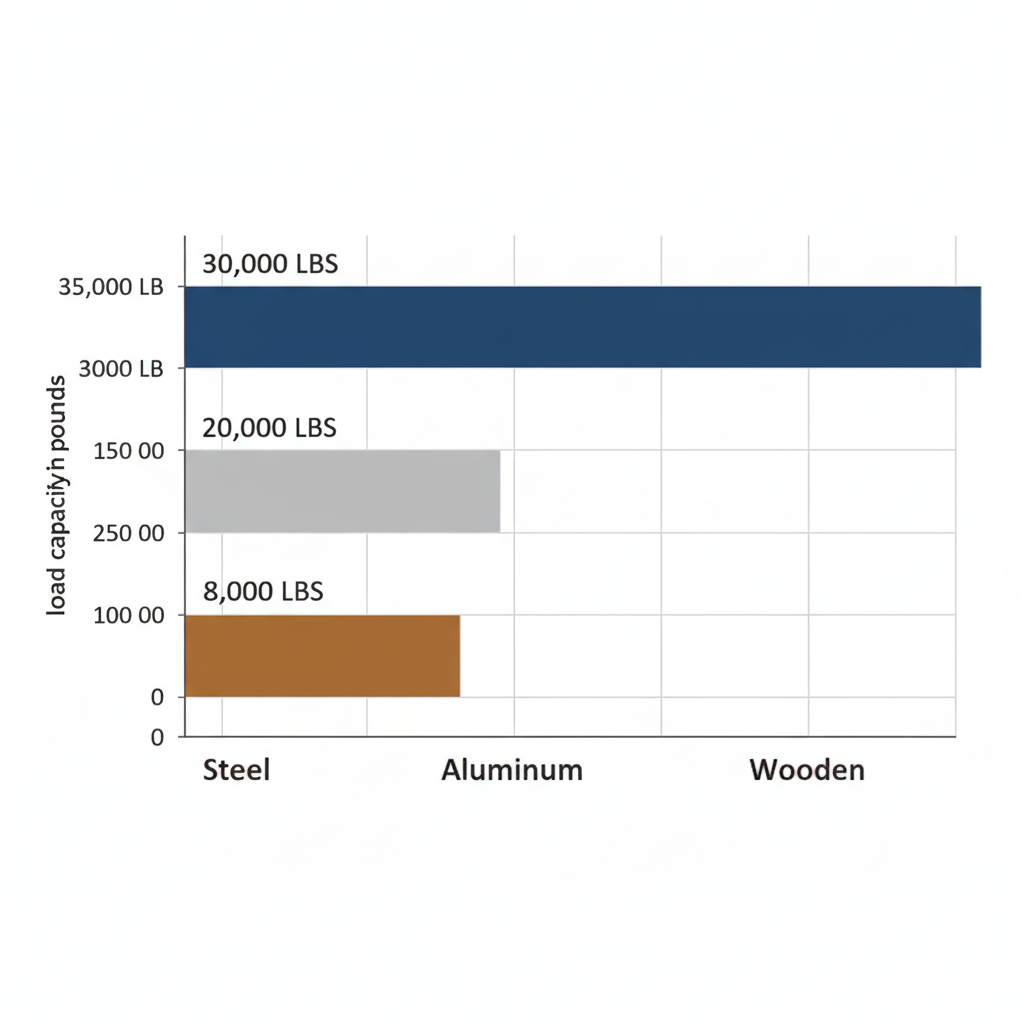
Load capacity comparison across yard ramp materials
Building on these basics, steel yard ramps from our 35 years in the Material Handling Industry demonstrate versatility for both portable and stationary needs. As the largest yard ramp manufacturer in the US, we focus on designs that integrate seamlessly into operations, paving the way for customized enhancements explored in subsequent sections. Always consult manufacturer guidelines and conduct site assessments to optimize safety and functionality.
In-Depth Analysis of Heavy Duty Steel Yard Ramps
We analyze the engineering excellence behind heavy duty steel yard ramps, which provide robust solutions for efficient loading in demanding industrial settings. These ramps enable seamless transitions between ground level and truck beds, enhancing operational flow in facilities across the United States. Drawing from MHI specifications, our examination highlights advanced features that ensure safety and longevity, particularly in high-traffic environments.
Key Design Features and Material Strengths
The engineering of a heavy duty steel yard ramp emphasizes superior steel construction for unmatched durability. We utilize high-strength carbon steel with precision welding that meets MHI standards for minimum tensile strengths, often exceeding 50,000 psi to withstand repeated heavy impacts. This weld quality prevents structural failures under loads up to 30,000 lbs, as validated by industry load testing protocols.
Anti-slip surfaces, typically achieved through serrated plating or textured coatings, enhance traction for forklifts navigating wet or oily conditions. A key innovation is the 2-speed crank system, allowing operators to adjust height swiftly for varying truck configurations, from 36 to 60 inches. Protective coatings, such as galvanized or powder-coated finishes, resist corrosion from exposure to rain, chemicals, or salt in outdoor storage areas.
Customization options include integrated guard rails and side curbs to bolster safety, preventing accidental falls during loading. These features make the heavy duty steel yard ramp ideal for harsh environments, where longevity reduces replacement costs over time. In our experience spanning 35 years in the material handling industry, such designs support our commitment to serving customers across the USA, one at a time.
Comparison to Alternative Ramp Types
When evaluating yard ramps for heavy industrial use, understanding material and design differences is crucial. Steel ramps excel in environments requiring maximum load capacity and resilience, outperforming alternatives in longevity and cost over time. Fixed docks, while permanent, lack the mobility of portable options, making them less adaptable for dynamic operations.
The following table provides a detailed comparison between heavy duty steel and aluminum yard ramps, based on key performance aspects informed by MHI material testing standards:
| Scenario | Portable Yard Ramp | Mobile Yard Ramp |
|---|---|---|
| Setup Time | Quick, no permanent fixes | Requires cranking for height |
| Mobility | Easily relocated by hand | Towed for longer distances |
| Ideal For | Temporary warehouse access | Distribution center shifts |
| Safety Checks | Daily visual inspections | Wheel and hitch maintenance |
This comparison underscores steel’s advantages for intensive applications, where steel vs aluminum ramps reveal trade-offs in weight versus strength. Aluminum offers portability at around 50% lighter weight, beneficial for frequent relocations as a mobile yard ramp, but it may require more frequent inspections to avoid deformation under extreme loads. Fixed docks provide stability without cranks but demand significant upfront investment and site modifications, limiting flexibility compared to a Steel Loading Ramp that can be repositioned easily.
For users prioritizing heavy-duty performance, steel’s robustness translates to fewer disruptions and enhanced safety, aligning with OSHA guidelines for loading equipment. We recommend assessing specific volume needs to balance these factors effectively.
Application Scenarios in Various Industries
Heavy duty steel yard ramps demonstrate versatility across sectors, optimizing loading processes where traditional docks fall short. In warehousing, they facilitate quick access for palletized goods, reducing forklift travel time by up to 30% in facilities like those supporting Amazon logistics.
Manufacturing environments benefit from their custom heights, enabling precise alignment with production lines for component transport. In logistics and distribution, these ramps handle high-volume shipments efficiently, as seen in agribusiness operations loading bulk produce onto trucks in variable weather.
Recycling centers utilize them for sorting heavy scrap materials, with anti-slip features ensuring safe navigation. Overall, the portable yard ramp’s mobility allows seamless integration into diverse workflows, from construction sites to retail distribution hubs.
To further illustrate suitability, the table below compares ramp types against industry needs:
| Factor | Rental | Purchase |
|---|---|---|
| Cost Structure | Short-term flexible payments | One-time investment |
| Ownership | Temporary access | Permanent with warranties |
| Customization | Limited to stock | Full bespoke options |
| Best For | Seasonal or trial use | High-volume long-term |
This overview highlights how steel options dominate in demanding scenarios, offering reliable performance that supports productivity gains tailored to each industry’s unique challenges. We cover the entire USA with these solutions, ensuring adaptability for your operations.
Practical Applications and Usage of Yard Ramps
At Medlin Ramps, we understand the critical role yard ramps play in streamlining industrial loading and unloading processes. This section delves into the practical side of implementing yard ramps texas, focusing on installation, safe operation, and maintenance to help you achieve efficient workflows while prioritizing safety.
Installation and Setup Guidelines
Proper installation ensures your heavy duty steel yard ramp functions reliably from day one. We advise beginning with thorough site preparation: clear the area of debris and obstacles, ensuring the ground is level and stable to support the ramp’s weight and load capacity. Next, position the ramp at the desired dock height, using shims if necessary to achieve an optimal angle that complies with OSHA guidelines, which recommend a maximum slope of 10-12% for forklift access to prevent tipping hazards.
Follow these numbered steps for secure setup:
- Align the ramp’s base parallel to the loading dock edge.
- Crank the hoist mechanism to raise the lip plate, securing it firmly against the dock.
- Anchor the ramp using heavy-duty chains or bolts attached to the dock or ground, distributing weight evenly to avoid shifting during use.
- Test the stability by applying gradual pressure before full operation.
For a portable yard ramp, this process emphasizes mobility without permanent fixtures, making it ideal for temporary setups in warehouses. Emphasizing these steps as a practical steel loading solution helps integrate the ramp seamlessly with equipment like dock boards for versatile ground-to-truck access. Always consult local regulations for site-specific anchoring requirements.
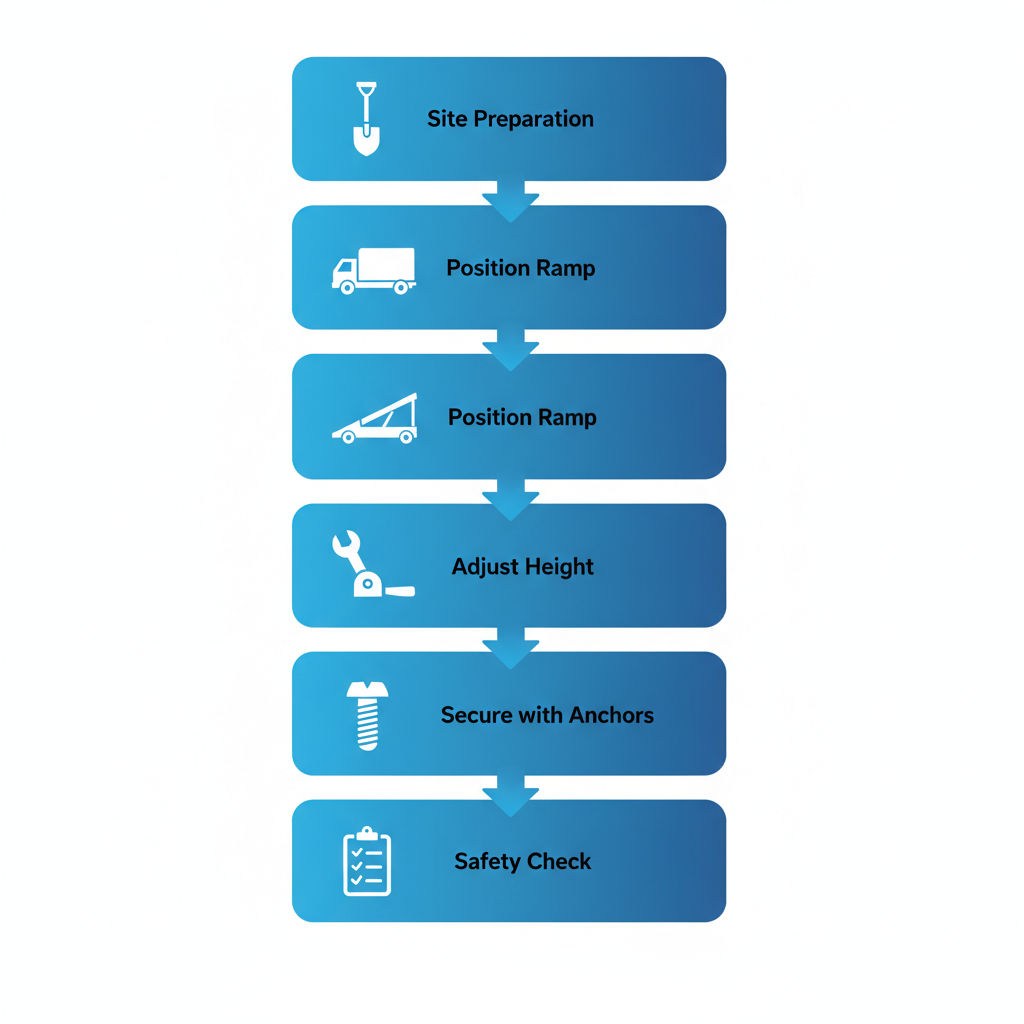
Step-by-step installation process for industrial yard ramps.
The visual above reinforces how these guidelines align with OSHA standards on grades and stability, reducing risks during initial positioning. By following this approach, facilities can minimize downtime and ensure long-term usability.
When evaluating ramp types for your operations, consider their setup demands. The following table compares portable and mobile yard ramps across key usage scenarios:
| Feature | Portable Yard Ramp | Mobile Yard Ramp |
|---|---|---|
| Deployment Speed | High | Medium |
| Towing Capability | None | Integrated Hitch |
This comparison highlights how portable options suit short-term needs with minimal effort, while mobile variants offer flexibility for dynamic environments. We recommend selecting based on your facility’s layout and frequency of relocation to optimize efficiency.
Safe Operation with Forklifts and Heavy Loads
Operating a yard ramp safely with forklifts demands adherence to established protocols to protect workers and equipment. We advise limiting forklift speeds to 5 mph on the ramp, as per OSHA recommendations, to maintain control and reduce inertia-related accidents. Maintain a steady approach angle, avoiding sharp turns, and ensure loads are centered to prevent uneven weight distribution that could cause tipping.
In truck loading scenarios, a user-friendly industrial ramp enhances accessibility, allowing seamless transitions between ground level and trailer beds. Key safety features include side curbs to guide forklift wheels and non-slip treads that provide traction even under wet conditions, mitigating slip risks during heavy load handling. Integrate the ramp with dock boards for flush connections, eliminating gaps that could snag wheels.
Warning: Never exceed the ramp’s rated capacity, and conduct pre-shift inspections for structural integrity, including checking for cracks or loose bolts. For mobile yard ramps, verify towing hitches before movement to ensure secure transport across the yard.
These practices address common concerns like safe forklift navigation on a portable yard ramp, promoting a secure environment. By incorporating routine training on angle limits and load balancing, operations in distribution centers become more predictable and hazard-free.
Daily use in high-volume settings, such as manufacturing or shipping, benefits from these guidelines, bridging basic setup to sustained performance. This focus on safety not only complies with regulations but also supports smoother integration with your broader material handling systems.
Maintenance Tips for Longevity
Routine maintenance is essential for extending the service life of your yard ramp in demanding industrial environments. We recommend scheduling bi-weekly visual inspections, focusing on welds, hinges, and the crank mechanism for signs of wear, aligning with OSHA’s emphasis on preventing failures through proactive checks.
Clean the surface regularly to remove debris that could accelerate corrosion on steel components, using mild detergents and avoiding harsh chemicals. Lubricate moving parts quarterly to ensure smooth operation, particularly for the height adjustment system.
To compare maintenance approaches across ramp types, the table below outlines key differences:
| Ramp Type | Inspection Frequency | Lube Requirements |
|---|---|---|
| Portable | Bi-weekly | Low |
| Mobile | Weekly | High (wheels/hitch) |
Portable models require less intensive care due to simpler designs, while mobile ones demand attention to transport features. Following these tips prevents premature wear and maintains compliance.
For deeper integration, consider how upkeep ties into rental options for flexible long-term solutions. Do not exceed rated capacities–consult the manufacturer for site-specific load and installation requirements. Results and productivity improvements are site- and application-dependent; outcomes may vary.
Advanced Options and Customizations for Yard Ramps
At Medlin Ramps, we offer insights into advanced configurations that enhance yard ramp functionality for demanding industrial environments. Our 35 years in the Material Handling Industry allow us to guide customers toward tailored solutions that meet unique operational needs. Customization begins with adjusting heights and capacities to fit specific dock elevations and load requirements, ensuring seamless integration into warehouse layouts.
For a heavy duty steel yard ramp, options include reinforced treads for superior traction and variable widths to accommodate diverse forklift maneuvers. We provide steel Loading Ramp designs with adjustable legs for uneven terrain, ideal for construction sites where ground conditions fluctuate. Advanced features like hydraulic assists simplify positioning, reducing setup time by up to 50 percent in high-traffic scenarios. These customized heavy-duty ramps support capacities from 16,000 to 30,000 pounds, with galvanized finishes for corrosion resistance in humid climates.
When considering financial implications, lifecycle costs play a key role. Initial investments vary based on specifications, but long-term savings emerge from durability and reduced maintenance. MHI Industry Groups highlight rental trends in logistics, noting cost efficiencies for variable demand, while purchases offer predictable budgeting over years.
The following table outlines rental versus purchase options for steel yard ramps to aid decision-making:
| Feature | Rental | Purchase |
|---|---|---|
| Upfront Cost | Low monthly fee | Capital Expenditure |
| Customization | Standard Stock | Full Custom |
Rental programs provide flexibility without upfront capital outlay, while purchases build equity in assets tailored to operations. Benefits include faster ROI for buyers through ownership and scalability for renters adapting to project cycles.
Our rental and rent-to-own programs cater to short-term needs, offering a portable yard ramp for temporary setups at distribution centers. These options include comprehensive inspections to ensure safety compliance. For budget-conscious buyers, used mobile yard ramps undergo rigorous refurbishment, providing reliable performance at reduced costs. Availability spans our multi-facility network in California, New Mexico, North Carolina, and Florida, enabling swift delivery across the US.
Integrations extend utility with complementary products like forklift extensions for extended reach and guard rails for enhanced safety. Man baskets and order picker platforms pair with an advanced steel loading system, supporting elevated access in recycling facilities. These additions streamline workflows, but remember to consult us for site-specific load requirements and follow manufacturer instructions for installation and maintenance.
Frequently Asked Questions About Yard Ramps
What load capacities are available for yard ramps?
Heavy duty steel yard ramps typically handle 16,000 to 27,000 pounds, depending on the model. Selection depends on your forklift and load needs; always consult our team for precise sizing to ensure safety.
What is the cost range for new and used yard ramps?
New yard ramps start at around $10,000, while used options range from $5,000 to $8,000. Factors like capacity and condition influence pricing; we offer competitive rates across our facilities.
How can I rent a yard ramp?
Rentals are available for short- or long-term needs, with flexible durations from days to years. Our process includes site assessment and delivery; rent-to-own programs provide ownership paths.
What are the advantages of steel yard ramps?
Steel construction offers superior durability and longevity over aluminum alternatives, resisting wear in demanding environments. Our designs ensure safe, efficient loading.
How are yard ramps installed?
Installation involves positioning on level ground and securing with chains or anchors. Follow manufacturer instructions and qualified technicians for setup; OSHA guidelines recommend grades under 10% for safe forklift use.
What benefits do portable yard ramps provide?
Portable yard ramps enable quick ground-to-dock access without permanent structures, ideal for temporary sites. Their mobility reduces setup time and costs.
What maintenance is needed for mobile yard ramps in outdoor environments?
Regular inspections for rust and structural integrity are essential, per OSHA safety protocols. Lubricate moving parts annually; store covered when not in use to extend lifespan.
Can yard ramps be customized?
Yes, we offer custom widths, lengths, and features like our stock series yard ramps for specific applications. Contact us to discuss options that fit your needs.
Do not exceed rated capacities–consult us for site-specific requirements. These answers reinforce key yard ramp essentials for seamless operations.
Selecting the Ideal Steel Yard Ramp Solution
We conclude our guide by recapping the advantages of heavy duty steel yard ramps, which offer unmatched durability and high load capacities for demanding industrial use. These solutions withstand harsh environments while optimizing loading efficiency.
When selecting, consider options like portable yard ramp for flexibility, mobile yard ramp for mobility, and custom designs for specific needs. Evaluate your operation’s volume, site conditions, and safety protocols to ensure longevity through regular maintenance.
For optimal ramp choice, consult resources such as MHI Specifications for compliance. Embrace this durable loading solution to enhance your workflow confidently.