

Table of Contents
Understanding Temporary Loading Docks for Industrial Use
In today’s fast-paced industrial environments, a Temporary Loading Dock offers a flexible solution for seamless ground-to-dock access, boosting loading efficiency without the need for permanent structures. At Medlin Ramps, our 35 years in the Material Handling Industry have shown how these mobile units streamline operations in warehousing, distribution, and manufacturing.
We define temporary loading docks as portable units designed for safe forklift and pallet jack movement between ground level and truck beds or dock heights. Common applications include temporary setups on construction sites, seasonal agribusiness operations like harvest loading in rural areas, or facilities lacking built-in docks. These solutions provide quick deployment and significant cost savings compared to permanent builds.
Key benefits include compatibility with heavy loads up to 20,000 lbs, per MHI specifications, and secure, non-slip surfaces meeting OSHA 1910.26 standards for dockboard safety. Structural steel frames and safety rails ensure stability during use. Our customizable Portable Loading Dock options, along with yard ramp alternatives, support diverse needs.
This guide previews the step-by-step process for selection, setup, and usage. Understanding these basics leads to effective assessment of your site-specific requirements in the next section.
Assessing Your Needs for Temporary Loading Solutions
Before implementing any temporary loading solution, we recommend a thorough evaluation of your site’s specific requirements to ensure safety and efficiency. Start by assessing dock height variability, typically ranging from 24 to 60 inches, and match it to your Portable Loading Dock Ramp needs for seamless access. Consider expected load weights, such as those up to 20,000 lbs for forklifts, aligning with OSHA 1910.178 guidelines that emphasize safe operating limits to prevent overload risks and maintain compliance in warehouses or distribution centers.
Next, evaluate frequency of use–whether daily operations or seasonal demands–and available space for a portable loading dock in Florida or other locations. Differences between portable and permanent loading docks lie in mobility; interim dock platforms offer flexibility for short-term setups without structural alterations. For load integration, factor in yard ramp compatibility with existing equipment, ensuring stable surfaces for indoor or outdoor use.
Environmental considerations like surface stability and weather exposure are crucial, especially in manufacturing sites where uneven terrain might require custom adjustments.
- Measure dock heights and clearances using site diagrams.
- Review load logs to select appropriate capacities.
- Assess space for mobile access solutions.
At Medlin Ramps, with 35 years in the material handling industry and facilities in CA, NM, NC, and FL, we provide customization services for faster delivery. Opt for rental versus purchase based on project duration to optimize costs.
We advise consulting these factors to ensure smooth installation–do not exceed rated capacities; consult us for site-specific requirements.
Selecting the Appropriate Temporary Loading Dock Type
Selecting the right Temporary Loading Dock requires a thorough site assessment to match your operational needs with the ideal solution. We at Medlin Ramps, with 35 years in the Material Handling Industry and as the largest yard ramp manufacturer in the US, guide you through evaluating factors like load capacity, ground conditions, and mobility. Start by determining your required capacity, typically ranging from 10,000 to 25,000 lbs, and assess dock height versus truck levels. For flat, stable sites in warehouses, opt for a portable loading dock with caster wheels for easy repositioning. On uneven or sloped terrain, a yard ramp provides inclined access to bridge gaps efficiently. For versatile applications in construction or distribution, consider dock ramp hybrids that combine both features for maximum flexibility. Always prioritize safety features like steel grating for traction to avoid slips, as emphasized in OSHA E-Tools for Loading Docks, which highlight hazard prevention in loading areas.
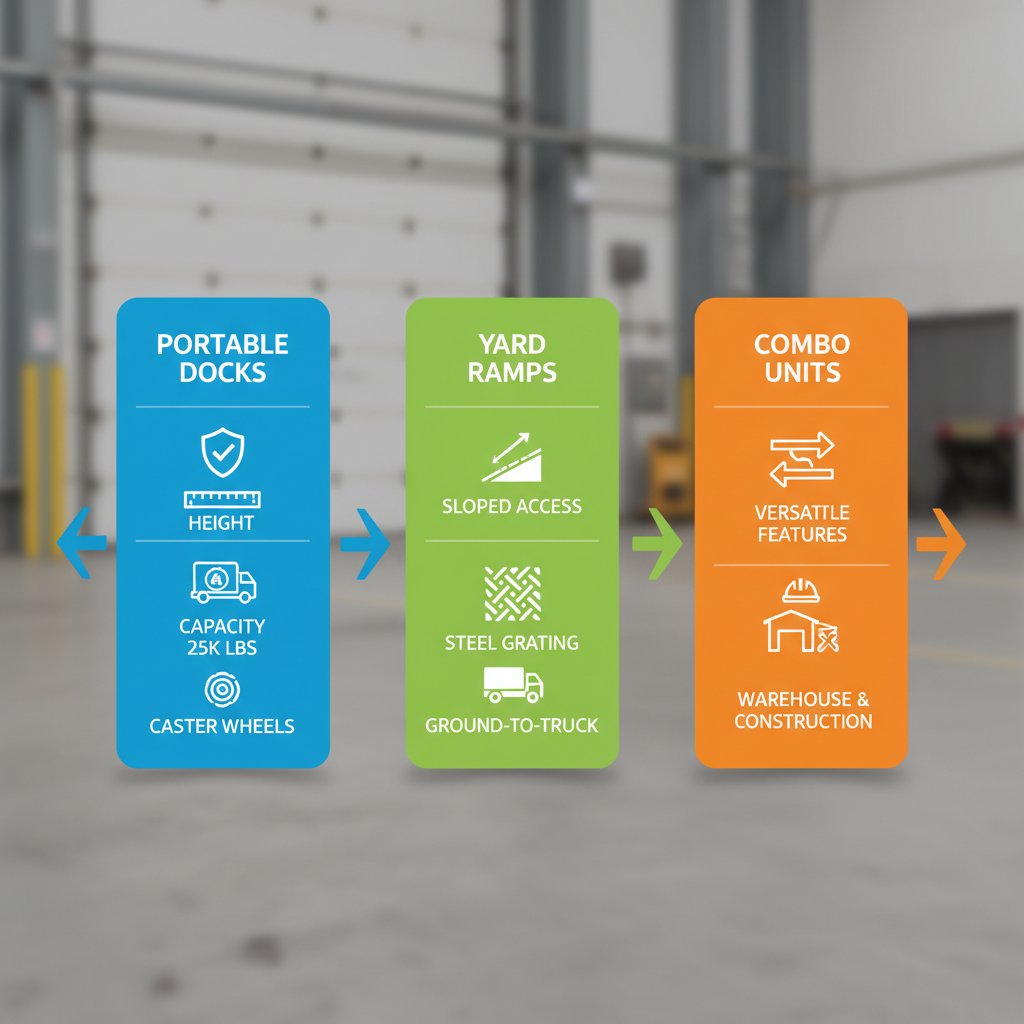
Comparison of temporary loading dock options: portable, yard ramps, and combos.
Choosing the appropriate type enhances loading efficiency and worker safety, reducing downtime and injury risks in dynamic environments. Proper selection ensures seamless integration with your workflow, boosting productivity while complying with safety standards.
Our tips for matching options to needs include selecting the Elite Series mobile loading platforms for heavy-duty demands in high-volume settings. Consult our team for site-specific recommendations, and remember: Do not exceed rated capacities–consult the manufacturer for load and installation requirements.
Preparing the Site for Installation
At Medlin Ramps, we emphasize thorough site preparation as the foundation for installing a loading dock ramps selection like our portable loading docks. Proper setup area prep ensures stability and safety, aligning with standards such as ANSI MH30.1-2022, which specifies tolerances of no more than 1/4 inch per foot for level ground to prevent tipping or uneven loading.
Begin by clearing debris and measuring the ground for levelness; use a laser level or string line to check for slopes exceeding ANSI guidelines. Ensure 10-15 feet of clearance behind the temporary loading dock for forklift maneuvering, verifying load-bearing soil or concrete capable of supporting the dock’s weight–typically 20,000 pounds or more. Position the portable loading dock away from traffic hazards and high-traffic areas to minimize collision risks.
This preparation impacts safety by reducing accidents; uneven surfaces can cause slips or structural failures, endangering workers and equipment. We recommend tools like shovels, levels, and shims for minor adjustments, along with protective gear. Always consult professionals for complex sites to comply with safety protocols.
For minor unevenness, apply shims to achieve precise leveling, setting the stage for seamless installation.
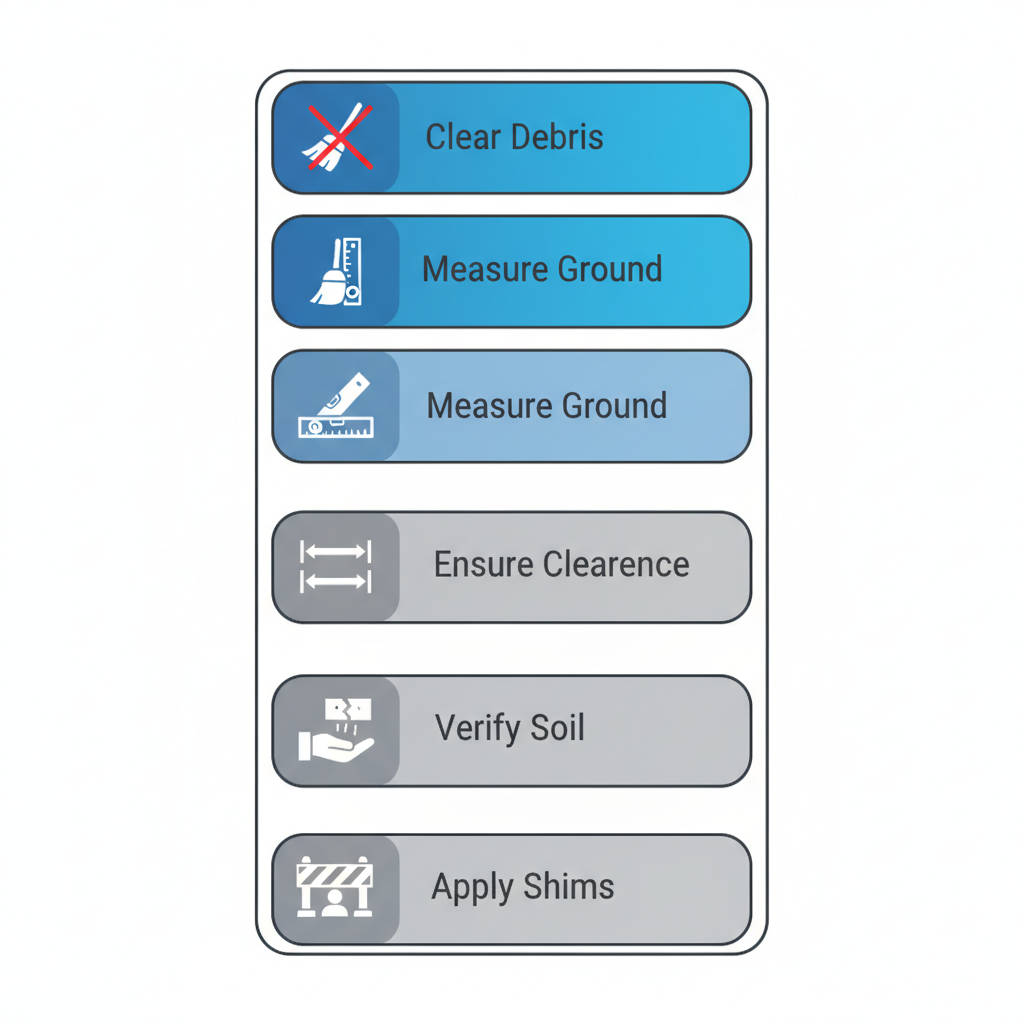
Step-by-step site preparation guide for safe loading dock installation
Do not exceed rated capacities–consult the manufacturer for site-specific load and installation requirements. Follow manufacturer instructions and qualified technicians for installation, maintenance and repairs; safety procedures must be observed.
Positioning and Securing the Dock
Once the site is prepared, we begin positioning the temporary loading dock by aligning its edge precisely with the building line. This ensures seamless integration with truck beds for efficient loading operations. For a portable loading dock like ours, we adjust the height using the built-in mechanisms, such as the two-speed manual crank system, to match the truck height perfectly. In hybrid setups involving a yard ramp, we position the ramp to bridge any remaining gap securely.
Securing the dock is essential to prevent movement during use, as required by OSHA standards for dockboards. We anchor it using stakes or bolts into the ground and employ wheel chocks to immobilize transport vehicles. This secure placement maintains stability under load, protecting workers and equipment from hazards like slippage or collapse.
To ensure safety, we always test for wobble by applying pressure to all edges after installation. Consult our guidelines and a qualified technician for site-specific requirements, as exceeding rated capacities can lead to accidents. With proper anchoring, your operations transition smoothly to testing and daily use.
Integrating with Forklift Operations
After securing the temporary loading dock, we integrate it seamlessly into forklift operations to ensure efficient material handling in warehouses. Our trained operators approach the dock at optimal angles, aligning the forklift precisely with the ramp for safe loading and unloading. This setup allows for smooth transitions using a yard ramp, preventing jolts that could destabilize loads. We monitor load distribution closely to maintain balance throughout the workflow at the portable loading dock, adhering to OSHA standards for powered industrial trucks.
Integrating these elements enhances overall safety and productivity, as proper alignment reduces accident risks during daily use. Compliance with regulations like 29 CFR 1910.178 underscores why this step is crucial for preventing hazards in material transfer.
For best results, conduct regular safety checks on approach angles and use safety chains where applicable. When choosing loading dock ramps, select models suited to your forklift capacity. Always train operators per OSHA guidelines to handle transitions effectively.
Conducting Safety Inspections
At Medlin Ramps, we prioritize safety in every aspect of industrial material handling. Conducting thorough inspections on temporary loading docks is essential to prevent accidents and ensure operational efficiency. Our protocols focus on both pre-use and ongoing checks to identify potential hazards before they escalate.
Instructions for Inspections
Begin with a visual examination of the temporary loading dock for any cracks or structural weaknesses in the platform and supports. Verify that railings on the portable loading dock are securely fastened and free from damage, providing reliable fall protection. Test overall stability by applying gradual pressure to simulate loading conditions, ensuring no wobbling or shifting occurs. Additionally, assess weather impacts, such as ice buildup or wind exposure, which could compromise footing. Always document findings with photos and notes for accountability.
Why Inspections Matter
Regular inspections mitigate risks like slips, falls, and equipment failures, as highlighted in OSHA guidelines for loading dock hazards. By addressing these proactively, we protect workers and maintain compliance, reducing downtime and potential liabilities in demanding environments.
Practical Tips
For capacity checks, confirm the temporary loading dock can handle heavy loads similar to yard ramps by reviewing rated specifications–never exceed limits. Schedule inspections before each shift and after environmental changes. Train teams on quick visual scans to spot issues early, fostering a culture of safety that transitions seamlessly into routine maintenance practices.
Performing Routine Maintenance
At Medlin Ramps, we emphasize the importance of routine maintenance to extend the lifespan of your loading dock ramps efficiency solutions, including yard ramps and portable loading docks. By following a structured schedule, you can ensure optimal performance and minimize downtime. Our recommendations align with MHI specifications for loading docks, focusing on key areas that keep equipment reliable for long-term use.
Maintenance Instructions
We recommend a quarterly routine for your Temporary Loading Dock and yard ramp setups. Begin by lubricating all moving parts, such as hinges and hydraulic components, using manufacturer-approved grease to reduce friction and wear. Next, thoroughly clean surfaces to remove debris, which can cause corrosion or operational issues. Inspect welds and structural integrity every three months, checking for cracks or signs of fatigue that might compromise safety. When the equipment is idle, store it in a dry, sheltered area to protect against environmental damage. These steps, totaling about 70 words in guidance, form the core of our maintenance protocol.
Why Routine Maintenance Matters
Regular upkeep directly ties to the benefits of using yard ramps for temporary loading, enhancing durability and supporting efficient operations. It prevents costly repairs and ensures compliance with industry standards, allowing your portable loading dock to handle heavy loads reliably over time. In our 35 years in the material handling industry, we’ve seen how proactive care extends equipment life significantly.
Practical Tips
For best results, document each maintenance session and train your team on procedures. Use protective covers during storage and avoid exceeding rated capacities. If issues arise, consult our experts before proceeding to troubleshooting, as early detection saves resources. These tips help maximize your investment in our heavy-duty solutions.
Dismantling and Storage Procedures
When it’s time to conclude operations with your Temporary Loading Dock, our step-by-step process ensures safe disassembly while maintaining equipment integrity for future use. Begin by disconnecting all utilities, including electrical power, hydraulic lines, and any safety barriers, to prevent accidents. Next, lower the dock to its transport position using the manual crank or powered system, then secure wheels and wheel it away from the loading area. Finally, perform a thorough cleaning to remove debris and inspect for wear, such as checking welds and hydraulic seals.
Proper storage extends the lifespan of these portable loading docks, protecting your investment in durable material handling solutions. We recommend elevating the unit off the ground in a dry, covered area to avoid moisture damage, aligning with industry standards for preservation. This approach minimizes corrosion and mechanical issues, ensuring reliable performance upon redeployment.
For optimal results, consult our experts during dismantling to address site-specific needs, and consider our portable dock ramps advantages for versatile applications. If challenges arise, refer to troubleshooting guidelines next. Always follow manufacturer instructions and observe safety procedures.
Addressing Common Issues with Temporary Loading Docks
Temporary loading docks play a vital role in efficient material handling, but like any equipment, they can encounter problems that disrupt operations. At Medlin Ramps, we understand the importance of quick dock troubleshooting to minimize downtime in warehouses and distribution centers. Addressing these issues promptly ensures compliance with safety standards and sustains productivity.
Here are five common challenges with practical solutions:
- Instability: Temporary loading docks may shift during use, posing risks to forklifts and workers. Re-level the dock on even ground and add anchors as per OSHA 1910.26 guidelines for securing portable dockboards. We recommend checking connections regularly to prevent movement.
- Misalignment: When the dock height does not match the truck bed, loading becomes inefficient. Adjust the height mechanisms or use shims to align properly, ensuring safe forklift access without gaps.
- Surface Wear: Grating on the dock can wear out from heavy traffic, leading to slips. Replace worn grating immediately to restore traction and meet surface safety requirements.
- Overload Signs: Visible bending or creaking on a yard ramp indicates excessive weight. Reduce loads immediately and consult load capacity charts from OSHA 1910.178 for powered industrial trucks to avoid structural failure.
- Weather Damage: Exposure to rain or snow can corrode a portable loading dock. Apply protective covers during inclement weather and inspect for rust, applying coatings as needed for longevity.
Preventive advice includes routine inspections before each shift and adhering to manufacturer guidelines to catch issues early, which can lower maintenance costs associated with renting equipment like our yard ramps.
For complex problems such as faulty welds or custom configurations, seek professional help from experts like our team at Medlin Ramps. We offer specialized ramp repair tips and support for rentals, ensuring your setup remains safe and compliant. Contact us to discuss tailored solutions that fit your needs.
Optimizing Your Operations with Temporary Loading Docks
In summary, implementing a Temporary Loading Dock requires careful assessment of your site needs, proper setup to ensure stability, adherence to safety protocols, and routine maintenance for longevity. These steps form the foundation for seamless operations in warehousing and manufacturing environments.
The benefits of temporary loading docks are clear: they offer unmatched flexibility for varying load requirements, cost-efficiency over permanent installations, and enhanced productivity through portable loading dock and yard ramp solutions. Our efficient dock systems provide versatile loading access, allowing businesses to adapt quickly to seasonal demands or expansion projects without major infrastructure changes.
We at Medlin Ramps, with 35 years in the Material Handling Industry, are here to help optimize your logistics. Explore our rent-to-own programs or custom builds from facilities across US facilities–we cover the entire USA. Contact us today to enhance your operations safely and compliantly, following MHI specifications and ANSI MH30.1-2022 standards for dock leveling devices. Results are site-dependent; consult our team for tailored advice.
Resources
Discover OSHA Standards for Powered Industrial Truck Safety
Explore OSHA eTool for Loading Dock Hazard Prevention
Access MHI Resources for Material Handling Industry Professionals
Understand ANSI Standards for Dock Leveling Device Testing