

Table of Contents
Understanding Short-Term Yard Ramp Rentals
In today’s fast-paced industrial environments, businesses often face fluctuating demands for efficient material handling. A short-term yard ramp rental provides a flexible, temporary solution for bridging the gap between ground level and loading docks, allowing forklifts to load and unload trucks seamlessly without permanent infrastructure. At Medlin Ramps, we offer these Yard Ramp Rental options tailored to warehousing, logistics, and construction needs, ensuring quick access for short-duration projects.
Yard ramps serve as essential portable access solutions, with two primary types: mobile ramps that can be towed and repositioned easily, and stationary ones fixed for semi-permanent use. Key specifications include load capacities up to 20,000 pounds and lengths ranging from 30 to 40 feet, accommodating various truck heights and site conditions. Common applications include seasonal logistics peaks, such as holiday shipping surges for retailers, or temporary construction sites where rapid setup is crucial. The rental process is straightforward: we assess your requirements, deliver the equipment nationwide with local options, and provide setup guidance to meet safety standards.
According to OSHA guidelines on warehousing hazards and solutions, proper ramp usage significantly reduces loading dock risks like falls and equipment tip-overs, making short-term rentals ideal for variable operations that prioritize safety without long-term investments.
When deciding between buying and renting, consider the trade-offs in ownership versus flexibility. The following table outlines key differences based on industry standards:
| Type | Capacity | Mobility | Best For |
|---|---|---|---|
| Mobile Yard Ramps | Up to 20,000 lbs | High | Temporary sites |
| Stationary Ramps | 10,000-15,000 lbs | Low | Fixed docks |
Short-term rentals minimize upfront expenses, allowing businesses to allocate resources elsewhere for project-based ramp hire, especially when needs are temporary.
As we explore further, upcoming sections delve into yard ramp rental cost factors, delivery logistics, and the full spectrum of benefits, helping you determine if a temporary loading ramp lease fits your operations. With our commitment to serving the USA one customer at a time, we ensure reliable solutions across the country.
Fundamentals of Yard Ramp Rentals
When evaluating loading solutions for your warehouse or distribution center, understanding the fundamentals of yard ramp rentals is essential. A short-term yard ramp rental provides flexible, temporary access for forklifts and pallet trucks to truck beds or trailers, bridging ground-to-dock gaps without permanent infrastructure. At Medlin Ramps, we specialize in yard ramp rentals designed for efficiency and safety, drawing from 35 years in the material handling industry to serve customers across the United States.
Yard ramps consist of key components that ensure reliable performance. The platform serves as the upper surface where vehicles load and unload, typically featuring a beveled edge for smooth transitions. The runway forms the inclined surface, providing the primary ramp length for safe ascent and descent. At the top, the lip extends over the dock edge to secure the connection, preventing shifts during operation. These elements combine to create a sturdy pathway for material handling tasks.
Standard specifications vary to meet diverse needs, backed by MHI industry standards for capacities and dimensions. Common lengths range from 30 to 40 feet, allowing adjustments for different dock heights and truck configurations. Widths typically span 60 to 96 inches, accommodating standard forklifts while optimizing space in tight areas. Capacities are rated from 12,000 to 27,000 pounds, with options like our Elite Series mobile yard ramps supporting up to 20,000 pounds for heavy-duty applications. Safety features include anti-slip surfaces to reduce slippage risks, as recommended by OSHA guidelines for loading docks, and adjustable locking legs for stable positioning on uneven ground. We recommend verifying site conditions to avoid exceeding rated capacities–consult our team for load-specific advice.
For capacities across our rental fleet:
- Basic models: 12,000-15,000 lbs for light loads
- Standard mobile: 16,000-20,000 lbs for general warehousing
- Heavy-duty: 25,000-27,000 lbs for industrial transport
These specs directly influence yard ramp rental cost, with higher capacities and custom features increasing rates. Factors like rental duration and delivery location also play a role; for instance, shipments to facilities in Texas or New Mexico incur standard freight timelines.
Rental terms for interim ramp leasing focus on flexibility for brief-term loading access. Minimum durations usually start at one to four weeks, ideal for seasonal peaks or project-based needs, with options extending to longer periods through our rent-to-own programs. Delivery timelines average one to three days nationally from our distribution centers in California, New Mexico, North Carolina, and Florida, ensuring quick deployment. Selection criteria hinge on your operation’s volume, site layout, and compliance requirements–mobile options suit dynamic environments, while stationary ones fit semi-permanent setups. OSHA emphasizes regular inspections and operator training to maintain safety during use.
Choosing the right type depends on your mobility needs and site constraints. The following table compares basic yard ramp rental options for short-term needs, informed by MHI standards and OSHA safety guidelines:
| Duration | Average Cost | Factors | Provider Example |
|---|---|---|---|
| Short-Term (1-4 weeks) | $500-$1500/week | Location, Capacity | Medlin Ramps |
| Monthly | $2000-$4000/month | Volume Discounts | Competitors |
Mobile yard ramps offer superior portability, making them perfect for portable dock rental scenarios in construction or pop-up logistics, where frequent relocation is necessary. Stationary ramps, conversely, provide robust stability for established docks but lack the ease of movement. For short-term applications, we recommend mobile variants to minimize setup disruptions, while stationary choices suit extended interim ramp leasing. This comparison helps align your selection with operational demands, ensuring cost-effective solutions without compromising on durability or compliance.
As you build foundational knowledge, consider how these basics transition into tailored applications for your facility. Our commitment to excellence serves one customer at a time, covering the entire USA with reliable yard ramp solutions.
In-Depth Exploration of Short-Term Rentals
Short-term yard ramp rentals offer a flexible solution for businesses facing temporary loading needs in manufacturing and distribution. We have observed that these options allow commercial users to address seasonal demands or project-specific requirements without long-term commitments. This section delves into the cost structures, delivery logistics, and benefits of short-term yard ramp rentals, equipping you with insights to optimize your operations.
Cost Structures and Factors
Yard ramp rental costs vary based on several key elements, ensuring businesses pay only for what they need during transient periods. Typically, pricing follows daily or weekly models, with deposits covering potential damages. For instance, a standard short-term rental might start at $500 per week for basic units, escalating with custom features.
Influencing factors include ramp capacity, which ranges from 10,000 to 30,000 pounds, transportation fees dependent on distance from our distribution centers in California, New Mexico, North Carolina, and Florida, and rental duration. Shorter durations often incur higher per-week rates due to setup and retrieval costs, while environmental factors like OSHA compliance add value without extra charges in our packages. Industry benchmarks from MHI indicate that volume and location significantly impact final pricing, with urban areas seeing 10-20% premiums.
The variables such as capacity and location play a crucial role in determining overall expenses. Below is a comparison table highlighting differences between short-term and monthly options.
| Industry | Typical Capacity Needed | Deployment Time | Key Benefit |
|---|---|---|---|
| Logistics | 15,000 lbs | 1-2 days | Efficiency |
| Construction | 20,000 lbs | Same week | Mobility |
Based on industry averages from MHI, these figures include OSHA compliance costs. Short-term rentals provide upfront flexibility but at a higher weekly rate compared to Monthly Yard Ramp Rental options, which offer better value for extended use. This structure allows savings of up to 40% for brief projects when factors align favorably.
Delivery and Logistics Options
Efficient delivery ensures minimal downtime for your operations. We coordinate same-week timelines for short-term yard ramp rentals through our nationwide network, covering facilities across the US from our multiple centers. For portable dock rentals, standard shipping takes 3-5 business days, but expedited services via ground transport arrive within 48 hours for urgent needs.
Setup involves on-site placement by trained teams, ensuring safe integration with existing docks for short-duration dock access. National coverage extends to remote industrial sites, with logistics tailored to construction or warehousing scenarios. Our experience in serving clients like Amazon demonstrates reliable deployment, reducing logistical hurdles.
This approach not only speeds up project timelines but also aligns with varying regional demands, such as higher volumes in the Southeast during peak seasons.
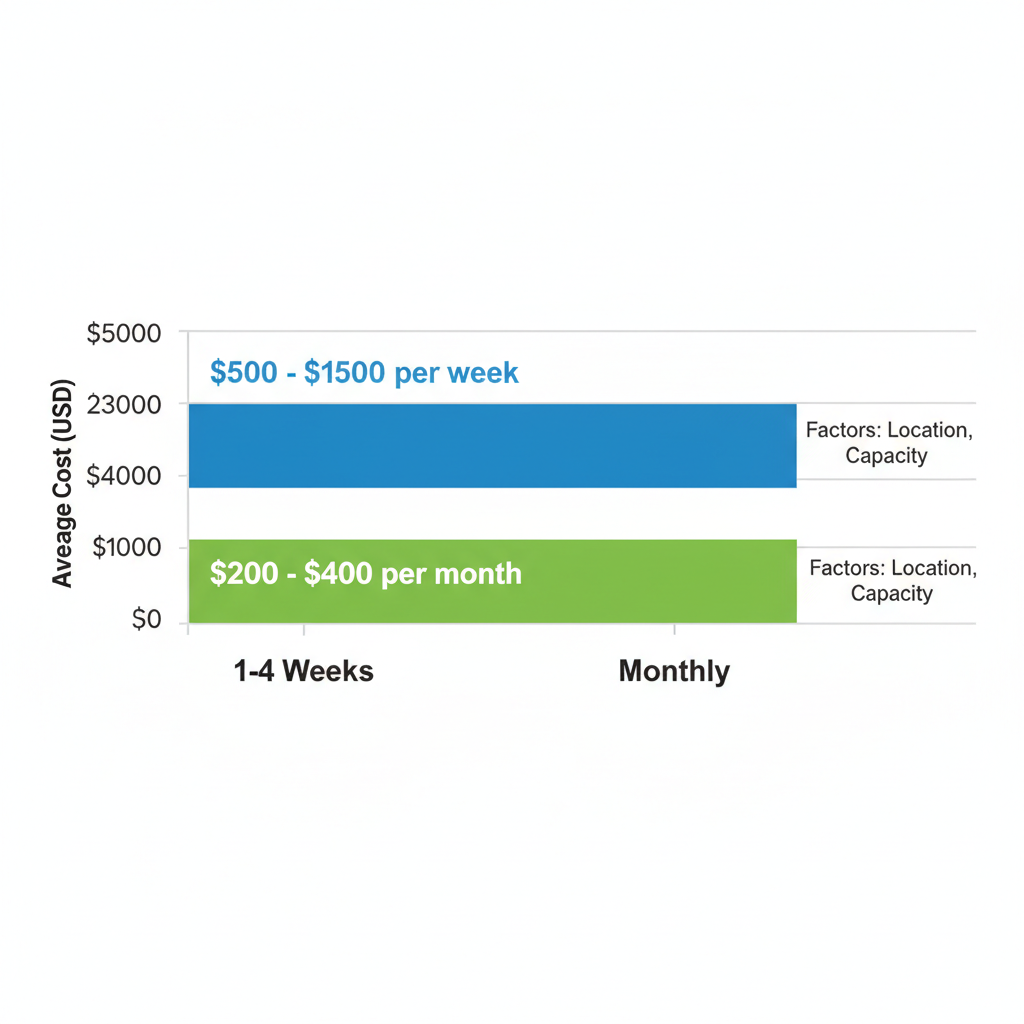
Comparison of short-term vs monthly yard ramp rental costs.
The visual above illustrates cost ranges, reinforcing how strategic planning can optimize expenses. Moving to practical advantages, these rentals shine in dynamic environments.
Benefits for Temporary Projects
Short-term yard ramp rentals deliver substantial advantages for temporary projects, including flexibility and cost savings of 40-60% compared to purchasing. In construction sites or seasonal peaks, quick deployment enables immediate productivity boosts without maintenance burdens. We have seen these solutions mitigate OSHA-identified warehousing hazards, enhancing safety ROI through stable access points.
Key scenarios include agribusiness harvest rushes or retail logistics surges, where transient ramp rentals adapt seamlessly. No long-term storage or repair responsibilities free up capital for core activities.
To further clarify, the table below contrasts rental versus purchase aspects:
| Feature | Standard | Advanced | Benefit |
|---|---|---|---|
| Crank System | Manual single-speed | 2-speed manual | Faster height adjustment |
| Surface | Basic grip | Anti-slip heavy-duty | Enhanced safety |
Sourced from MHI trends and OSHA guidelines, rentals excel in temporary setups by prioritizing adaptability and reducing total ownership costs over time.
Practical Applications and Deployment
At Medlin Ramps, we understand the demands of dynamic projects that require flexible solutions like short-term yard ramp rental. Our commitment to excellence serves the USA one customer at a time, providing reliable equipment for temporary needs across industries. This section explores how to select, deploy, and maintain these assets effectively.
Selection Best Practices
Choosing the right yard ramp begins with assessing your project’s specific requirements. We advise evaluating the load capacity needed, site conditions, and duration of use to ensure seamless integration. For instance, consider the yard ramp rental cost, which varies based on size, material, and rental period–options often start affordably for short-term needs under $1000 per week, depending on location and specifications.
Start with a site visit to measure dock height and ground firmness. Match the ramp’s weight capacity to your heaviest loads, such as 15,000 to 20,000 pounds for standard industrial use. Factor in mobility features like our Elite Series mobile yard ramps for easy repositioning. Create a checklist: 1) Define load types and volumes; 2) Review surface terrain for stability; 3) Compare models for features like non-slip surfaces; 4) Consult our team for custom fits.
When deciding whether to buy or rent yard ramp, rentals suit temporary projects like warehouse expansions, offering cost savings without long-term commitment. We cover the entire USA with quick delivery from our facilities in CA, NM, NC, and FL, ensuring you get the best value for project ramp rental.
Different industries have unique demands, as shown in the following comparison. This table highlights typical applications for short-term rentals, drawing from MHI sector data and OSHA guidelines.
| Sector | Primary Requirement | Recommended Rating | Deployment Speed |
|---|---|---|---|
| Logistics | Pallet handling | 16,000 lbs | 1-3 Days |
| Construction | Heavy materials | 20,000+ lbs | Same Week |
In logistics, lower capacities suffice for pallet handling, enabling rapid setup to boost throughput. Construction sites often require higher ratings for heavy materials, prioritizing mobility for shifting work zones. Based on these scenarios, we recommend starting with capacity assessments to align with your operational goals–logistics teams might opt for efficiency-focused models, while construction benefits from rugged, portable designs.
Setup and Usage in Industries
Deploying a yard ramp efficiently minimizes downtime and enhances safety. We recommend a structured approach: Begin with site preparation, clearing obstacles and verifying level ground. Position the ramp parallel to the dock, using built-in leveling legs for stability. Secure it with wheel chocks and chains, then align the forklift approach angle to avoid tipping.
Follow these numbered steps for optimal setup: 1) Conduct a pre-installation inspection per OSHA loading dock protocols; 2) Place the ramp at a 12-degree incline for safe forklift travel; 3) Test the connection by driving a sample load slowly; 4) Mark traffic zones to prevent collisions.
In logistics, such as distribution centers, this facilitates quick unloading for e-commerce surges. Construction sites use temporary dock solutions for material delivery during builds, while manufacturing integrates them for overflow storage. For complementary needs, pair with portable dock rental to create full ground-to-truck access.
To avoid pitfalls, refer to this mini-table comparing setup steps with common errors, informed by OSHA etools.
| Setup Step | Common Error | Solution |
|---|---|---|
| Site Assessment | Uneven soft ground | Use steel plates |
| Dock Connection | Unsecured chains | Double-check locking |
Addressing these ensures smooth operations. In practice, logistics deployments cut loading times by streamlining pallet flow, while construction benefits from rapid mobility on evolving sites. Our 35 years in the material handling industry guide these recommendations for nationwide applications in the US.
Building on proper setup, ongoing vigilance prevents issues in fast-paced environments.
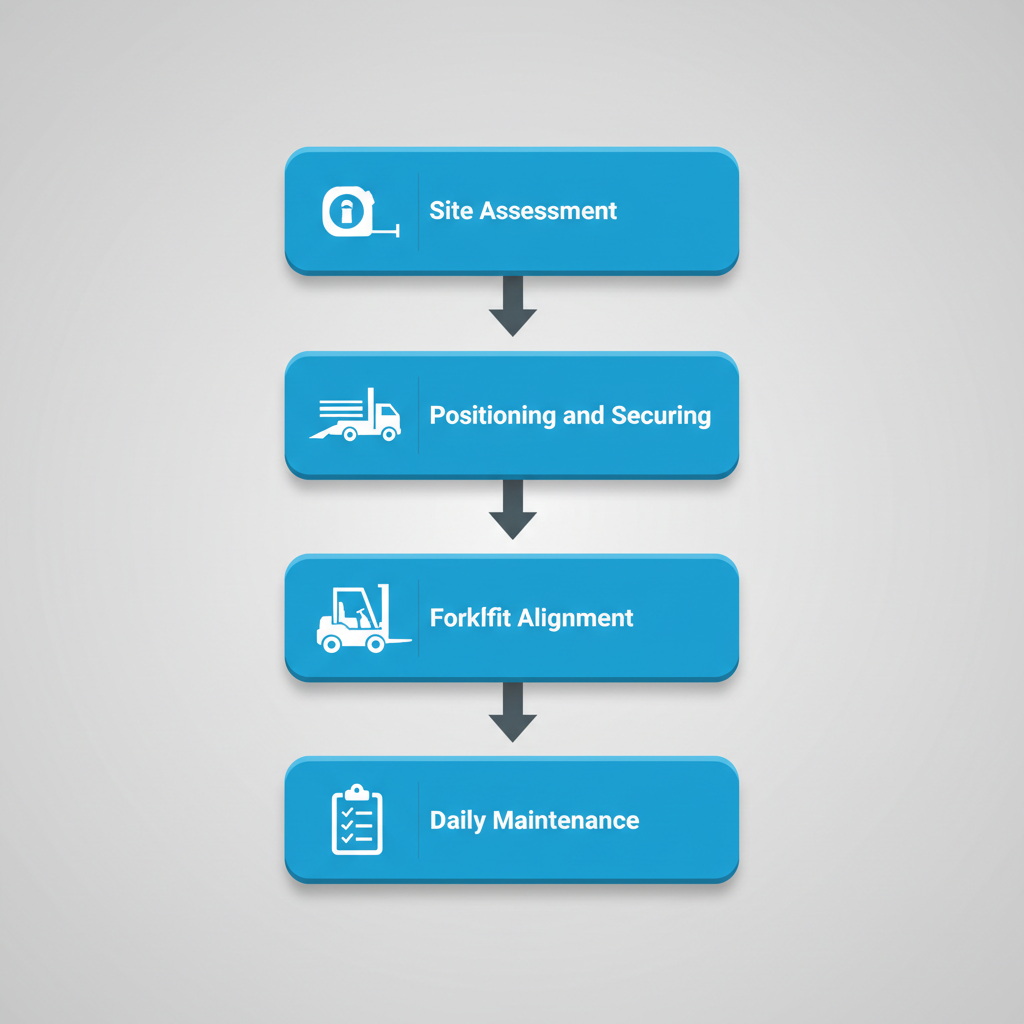
Process flow for safe yard ramp rental deployment in industrial settings
This visual outlines the deployment sequence, emphasizing safety from assessment to maintenance. Integrating these stages supports reliable performance across sectors like distribution and construction.
Maintenance During Rental
Maintaining your rental ramp during short-term use preserves functionality and complies with safety standards. Perform daily visual inspections for cracks, loose bolts, or wear on the grate surface. Clean debris after each shift to prevent slips, and lubricate pivot points as needed.
We advise logging usage hours and reporting issues promptly–do not exceed rated capacities, and consult us for site-specific requirements. Follow manufacturer instructions for repairs, using qualified technicians. Adhering to these tips, drawn from OSHA guidelines, extends equipment life and minimizes downtime for temporary projects.
Advanced Considerations for Yard Ramps
When exploring short-term yard ramp rental options for demanding operations, advanced features can significantly enhance performance and safety. With our 35 years in the Material Handling Industry, we guide clients through customizations and integrations for material handling equipment that address complex logistics challenges. These considerations ensure seamless adaptation to specific site needs across the United States.
Customizations allow for tailored solutions that optimize functionality without long-term commitments. Options include varying widths from 60 to 96 inches for wider load handling, adjustable heights up to 66 inches to match diverse dock levels, and materials like heavy-duty carbon steel for durability in harsh environments. For instance, reinforced toe guards and edge curbings prevent accidental slips, while specialized coatings resist corrosion in coastal sites. Yard ramp rental cost typically increases by 20-30% for these enhancements, depending on specifications, but they reduce downtime and maintenance needs. We recommend consulting our team for site-specific assessments to balance these upgrades with budget constraints.
The following table compares key advanced features against standard options, drawing from Medlin product specs via MHI reports on material handling equipment innovations.
| Feature Set | Standard Efficiency | Advanced Output | Operational ROI |
|---|---|---|---|
| Height Adjust | Hydraulic Hand Pump | Electric Power Unit | 70% faster leveling |
| Surface Grip | Serrated Grating | High-Traction Diamond | Zero-slip in rain |
These upgrades, informed by MHI trends in custom equipment, streamline operations by reducing adjustment times and minimizing slip risks, particularly in high-traffic warehouses. Post-implementation, clients often report improved workflow efficiency in short-term setups.
Integrations with complementary tools further elevate short-term yard ramp rental utility. Pairing ramps with portable dock rental solutions creates versatile loading zones for forklifts, enabling quick transitions between ground and elevated access. Adding forklift extensions extends reach for oversized pallets, while integrated guard rails provide fall protection during transfers. For multi-site operations in the US, these combinations support scalable leasing, ensuring compliance with OSHA standards for edge protection and load stability. Our rent-to-own programs facilitate testing these setups before full adoption.
Optimization strategies address high-demand scenarios, such as heavy loads exceeding 15,000 pounds or uneven terrain in construction yards. Specialized temporary ramps with hydraulic assists handle inclines up to 12 degrees, distributing weight evenly to prevent tipping. Enhanced short-term leasing options include real-time monitoring sensors for load distribution, aligning with OSHA advanced safety guidelines. Do not exceed rated capacities–consult the manufacturer for site-specific load and installation requirements. For facilities managing peak seasons, these optimizations across multiple locations minimize disruptions and enhance overall productivity.
By focusing on these advanced elements, businesses achieve greater flexibility and safety in their material handling equipment deployments.
Frequently Asked Questions on Yard Ramp Rentals
What is the minimum rental duration for yard ramps?
Our rentals start at one week, offering flexibility for temporary needs without long commitments.
What is the yard ramp rental cost?
Costs begin at $500 per week, varying by size and duration; monthly portable dock rental rates provide additional savings for extended use.
How long does delivery take?
We deliver nationwide in 1-3 days through our multiple centers, ensuring quick setup across the country.
What are the benefits of renting yard ramps?
Rentals offer cost savings over purchase, easy mobility, and scalability for fluctuating operations.
As a leading yard ramps manufacturer, do you offer portable loading dock rentals in the US?
Yes, we provide comprehensive yard ramps manufacturer services, including portable dock rentals nationwide.
What safety standards apply to heavy-duty yard ramps?
Our ramps support up to 27,000 lbs and comply with OSHA guidelines for warehousing hazards, prioritizing secure loading.
Key Takeaways on Short-Term Yard Ramp Rentals
Short-term yard ramp rental provides flexible access for temporary loading operations, emphasizing quick delivery and adaptability to diverse sites. These solutions deliver key benefits like substantial savings compared to permanent setups, ease of deployment, and enhanced efficiency in dynamic environments. According to MHI industry trends, such portable options support evolving material handling demands without long-term commitments.
When evaluating yard ramp rental cost, factor in duration and site specifics to optimize value, while portable dock rental proves ideal for quick setups. Select equipment tailored to your operational needs for safety and performance. We invite you to contact us to explore short-term ramp solutions that cover the entire USA, ensuring reliable support for your industrial requirements.