

Table of Contents
Understanding Freight Loading Ramps
In today’s fast-paced industrial landscape, efficient material handling is crucial for warehouses and distribution centers facing tight deadlines and varying truck heights. A Freight Loading Ramp serves as an essential solution, bridging the gap between ground level and truck beds to streamline loading and unloading processes. Without permanent dock infrastructure, these ramps enable seamless forklift access, reducing downtime and enhancing safety in sectors like warehousing, shipping, and agribusiness.
Freight loading ramps, also known as loading platforms for freight, are engineered platforms designed to facilitate the transfer of goods without dedicated loading docks. Evolving from simple wooden inclines to robust carbon steel constructions capable of supporting up to 20,000 pounds, they adhere to standards like ANSI MH30.1-2022, which outlines safe incline angles and capacity ratings for dock leveling devices. Key types include mobile access ramps and stationary yard ramps, ideal for ground-to-dock operations, while portable dock ramps offer flexibility for temporary setups. In a typical distribution center scenario, these Loading Ramp solutions allow forklifts to navigate height differences effortlessly, cutting loading times significantly.
At Medlin Ramps, we bring over 35 years in the Material Handling Industry to deliver durable yard ramps and portable dock ramps from our multiple U.S. facilities in California, New Mexico, North Carolina, and Florida. This network ensures faster delivery and lower costs, supporting our commitment to excellence one customer at a time across the USA.
This guide explores the fundamentals of sizing, materials, and efficiency gains to help you select the right ramp for your operations.
Core Principles of Freight Loading Ramps
At Medlin Ramps, we understand the critical role a Freight Loading Ramp plays in efficient warehouse operations across the United States. These essential tools bridge the gap between ground level and truck beds, enabling safe and streamlined material handling with forklifts. Our designs prioritize stability and compliance, drawing from over 35 years in the material handling industry to serve customers nationwide.
Design Principles
Effective freight loading ramps rely on sound engineering principles to ensure safety during forklift operations. The incline angle is paramount, typically set between 12 and 16 degrees to balance accessibility with traction. Steeper angles increase the risk of slippage, while shallower ones demand longer ramp lengths, impacting space efficiency. We design our ramps to optimize this physics: the incline must provide enough rise for truck heights without compromising the forklift’s forward stability. Traction comes from surface friction, where non-slip plating prevents wheel spin under load. According to OSHA guidelines on powered industrial trucks, stable inclines are vital to avoid tip-overs, emphasizing gradual approaches and centered loads. In practice, this means ramps that support smooth acceleration up the incline, reducing operator fatigue and enhancing productivity in distribution centers.
Yard ramps, as versatile industrial loading inclines, exemplify these principles by offering flexible setups for varying dock configurations. Portable dock ramps, meanwhile, enhance existing facilities with quick relocations. Understanding categories like mobile, portable, and stationary helps in selecting the right fit. Mobile options tow easily for multi-site use, portables adjust to temporary needs, and stationary ones anchor for high-traffic permanence. The following table illustrates these differences based on mobility, capacity, and applications, informed by industry standards.
| Type | Mobility | Typical Capacity (lbs) | Ideal For |
|---|---|---|---|
| Mobile Yard Ramps | High (wheeled, towable) | 15,000-20,000 | Warehouses without docks |
| Portable Dock Ramps | Medium (relocatable) | 12,000-18,000 | Temporary dock enhancement |
| Stationary Ramps | Low (fixed installation) | 20,000+ | Permanent high-volume sites |
This comparison highlights how mobility trades off with capacity: mobile yard ramps offer robust 15,000 to 20,000-pound ratings for versatile ground loading, while stationary variants exceed 20,000 pounds for fixed, heavy-duty sites. For forklift users, these capacities ensure safe load handling without exceeding equipment limits, aligning with OSHA’s emphasis on stable ramp usage to prevent accidents during inclines.
OSHA’s load handling best practices reinforce that operators must verify ramp stability before ascending, particularly with off-center loads that could destabilize the incline.
Capacities and Materials
Standard weight capacities for freight loading ramps range from 10,000 to 20,000 pounds, tailored to common forklift payloads in warehouses. We construct our Elite and Stock Series mobile yard ramps from heavy-duty carbon steel, providing exceptional durability against daily wear. This material withstands corrosion and heavy impacts, essential for long-term reliability in manufacturing and logistics. For instance, a simple capacity calculation involves dividing the total load (forklift weight plus cargo) by the ramp’s safety factor–typically 2:1–to confirm it stays under the rated limit. Exceeding this risks structural failure, so we always recommend consulting site-specific assessments. Carbon steel’s high tensile strength supports these loads while maintaining a lightweight profile for maneuverability. Our commitment to excellence ensures these ramps meet or surpass OSHA standards, promoting safe operations one customer at a time across the USA.
Key components form the backbone of any reliable freight access platform. These include:
- Structural I-beams for load distribution and rigidity.
- Non-slip diamond-plate surfaces to enhance traction on inclines.
- Side curbs and gussets to prevent accidental overruns.
Forklift Integration
Compatibility with forklifts is integral, featuring approach ramps for smooth transitions from flat ground. Our 2-speed manual cranks allow precise height adjustments, accommodating various truck beds. This setup minimizes approach angles, reducing strain on the forklift’s hydraulics and improving load stability per OSHA protocols.
For a deeper exploration of advanced designs, see our yard ramps overview.
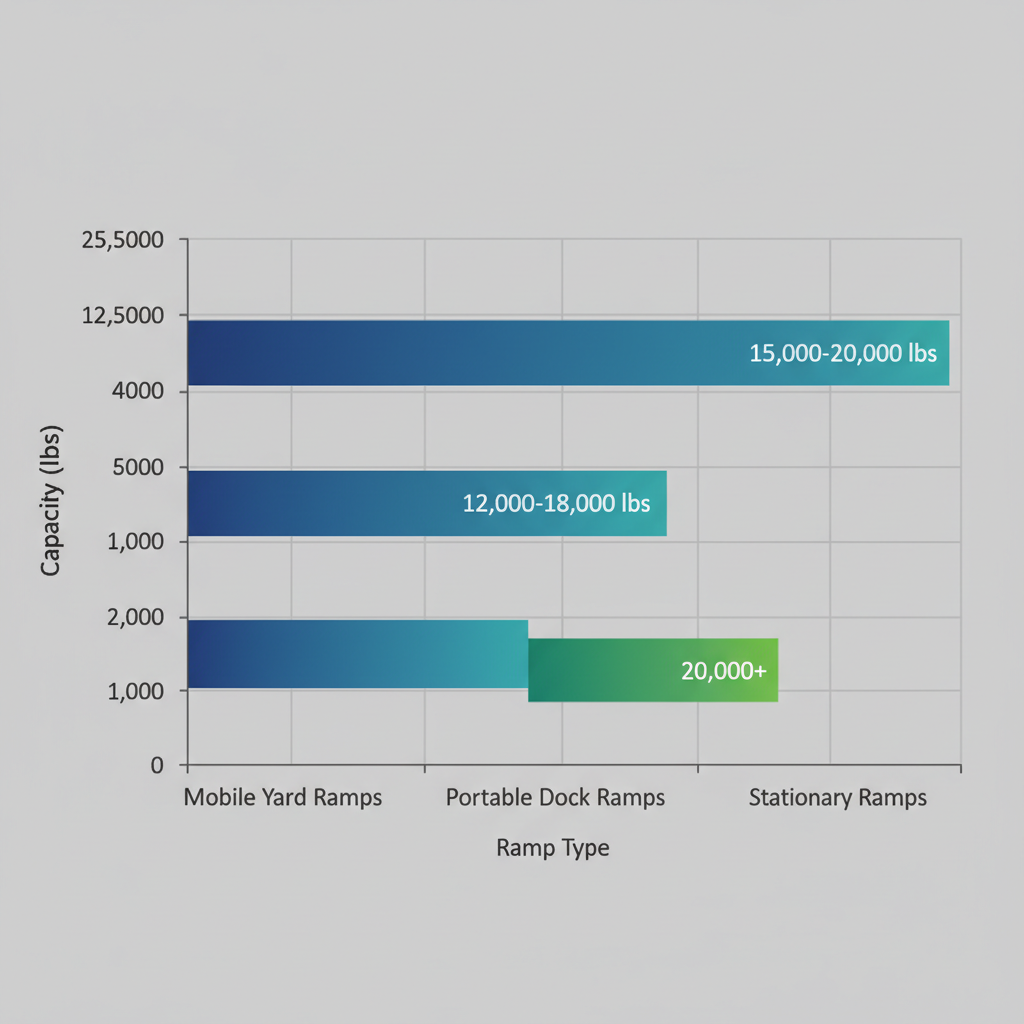
Comparison of freight loading ramp capacities by type
These visual insights underscore how capacity choices influence operational efficiency, guiding selections for specific industrial needs.
In-Depth Exploration of Freight Loading Ramp Design
Our engineers at Medlin Ramps prioritize precision in every aspect of Freight Loading Ramp design, ensuring these essential tools meet the demands of high-volume warehouse operations. With over 35 years in the Material Handling Industry, we craft solutions that enhance efficiency for industries like agribusiness and recycling. This exploration covers structural innovations and material choices that define our heavy-duty freight inclines.
Design Features and Customization Options
At the core of our yard ramps are robust I-beam supports, which provide superior load distribution for capacities up to 20,000 pounds. These beams, welded to exacting standards in our facilities across California, New Mexico, North Carolina, and Florida, form the backbone of structures that withstand daily forklift traffic. Hydraulic assists further enhance usability, allowing smooth elevation adjustments from 36 to 60 inches to align perfectly with dock heights for semi-trucks.
Customization begins with assessing warehouse layouts, where we tailor lengths from 30 to 40 feet and widths up to 96 inches to fit tight spaces or high-throughput areas. For instance, in a manufacturing case, we modified a portable dock ramp to include extended platforms for seamless integration with existing docks, reducing loading times. Surface treatments like serrated grating or diamond plate options ensure optimal traction, while our two-speed manual crank systems offer reliable operation without complex mechanics.
We also design yard ramps for portability, incorporating tow hitches and caster wheels for easy relocation within facilities. These features make our portable dock ramps ideal for dynamic environments, such as distribution centers where layouts evolve. By integrating with ramp-and-dock combos, we create dock-level access solutions that streamline workflows for forklifts navigating uneven terrain.
Material Durability and Safety Standards
Carbon steel forms the foundation of our heavy-duty yard ramps, selected for its exceptional strength and longevity in demanding conditions. We utilize high-grade ASTM A36 carbon steel, which offers a yield strength of 36,000 psi, ideal for supporting repeated heavy loads. To combat corrosion, our ramps receive powder-coated finishes or galvanizing treatments, extending service life in humid or outdoor settings like recycling yards.
Durability extends beyond the base material through rigorous fabrication processes. Welds conform to AWS D1.1 standards, ensuring joints that resist fatigue over decades of use. Non-slip features, including extruded aluminum treads or abrasive coatings, provide enhanced traction, minimizing slip risks during wet conditions–a critical compliance point for OSHA 1910.25 guidelines on walking-working surfaces.
Our designs fully align with ANSI MH30.1 standards for material handling equipment, as endorsed by MHI industry groups. These protocols validate our customization processes, from load testing to safety rail integrations, guaranteeing safe operations. For example, edge guards and toe boards prevent accidental falls, while yellow safety stripes denote high-risk zones, all in line with OSHA’s fall protection requirements.
Selecting the right material involves balancing durability, cost, and application needs. The following table compares common options based on MHI industry data:
| Material | Durability Rating | Cost Range | Best Applications |
|---|---|---|---|
| Carbon Steel | High (weather-resistant with coatings) | $5,000-$15,000 | Industrial warehouses |
| Aluminum | Medium (lighter but less robust) | $4,000-$12,000 | Light-duty portable needs |
| Galvanized Steel | High (enhanced corrosion protection) | $6,000-$16,000 | Outdoor distribution centers |
Carbon steel emerges as the superior choice for heavy-duty applications due to its unmatched robustness, making it the material of preference in our Medlin products. While aluminum suits lighter, mobile setups, it lacks the torque resistance needed for intensive forklift use. Galvanized variants add corrosion barriers but increase upfront costs; however, our carbon steel ramps, with protective coatings, deliver comparable longevity at optimized pricing. This selection underscores our commitment to reliable dock-level access solutions that support efficient loading in diverse sectors. For further insights, explore our loading dock ramps guide.
Do not exceed rated capacities–consult the manufacturer for site-specific load and installation requirements.
Practical Applications and Selection Guide
Applying the principles of freight loading ramps to everyday operations can transform warehouse efficiency. At Medlin Ramps, with over 35 years in the material handling industry, we guide clients through selecting and implementing these essential tools for seamless ground-to-dock access. Whether renting or purchasing yard ramps or portable dock ramps, the right choice depends on your facility’s specific needs, from dock height to traffic volume.
Sizing and Installation for Warehouse Use
Selecting the appropriate size for a freight loading ramp begins with accurate measurements of your warehouse environment. We recommend starting by assessing dock heights, which typically range from 48 to 60 inches, and mapping forklift paths to ensure clear navigation. Factor in the forklift’s dimensions, including wheelbase and turning radius, to avoid bottlenecks. A basic sizing formula involves calculating ramp length as dock height divided by the desired slope–aim for 1:12 or gentler per ADA guidelines from sources like the Whole Building Design Guide (WBDG)–multiplied by 12 for feet. For example, a 48-inch dock at 1:12 slope requires about 48 feet of ramp length, but adjustable models allow flexibility.
Here are step-by-step instructions for sizing and installation:
- Measure the dock height from ground level to the dock edge using a level tool.
- Evaluate forklift paths by observing daily operations, noting minimum widths needed for safe maneuvering–usually 8 to 10 feet.
- Determine capacity based on maximum loads, adding a 20% safety margin.
- Choose ramp length, width, and capacity to match; for portable units, verify portability for relocation.
- For installation, position the ramp flush against the dock, secure with wheel chocks or anchoring bolts for stability, and test the slope with a loaded forklift.
These steps ensure optimal fit across facility types, from small storage units to large distribution hubs.
The following table outlines sizing options for freight loading ramps in warehouses, drawn from WBDG loading dock guidelines:
| Scenario | Recommended Length (ft) | Width (ft) | Capacity (lbs) |
|---|---|---|---|
| Small Warehouse | 30-35 | 6-8 | 12,000-15,000 |
| Distribution Center | 35-40 | 8-10 | 15,000-20,000 |
| High-Volume Retail | 40+ | 10+ | 20,000+ |
After reviewing these specifications, consider your operational volume and future growth when selecting. For instance, a distribution center handling frequent semi-truck deliveries might prioritize higher capacities to accommodate order pickers. Always consult site-specific factors, and remember that results are application-dependent. Do not exceed rated capacities–consult the manufacturer for installation requirements.
Building on these guidelines, integrating mobile yard ramps offers versatility for varying warehouse layouts. In a typical setup, such as a mid-sized facility serving retail logistics, we have seen clients reduce setup times by aligning ramps with existing dock bumpers and overhead doors. This approach not only enhances safety through features like edge guards but also supports sustainability by minimizing exhaust infiltration via proper ventilation planning, as noted in WBDG standards. Proper sizing prevents common issues like excessive slope strain on equipment, promoting long-term durability.
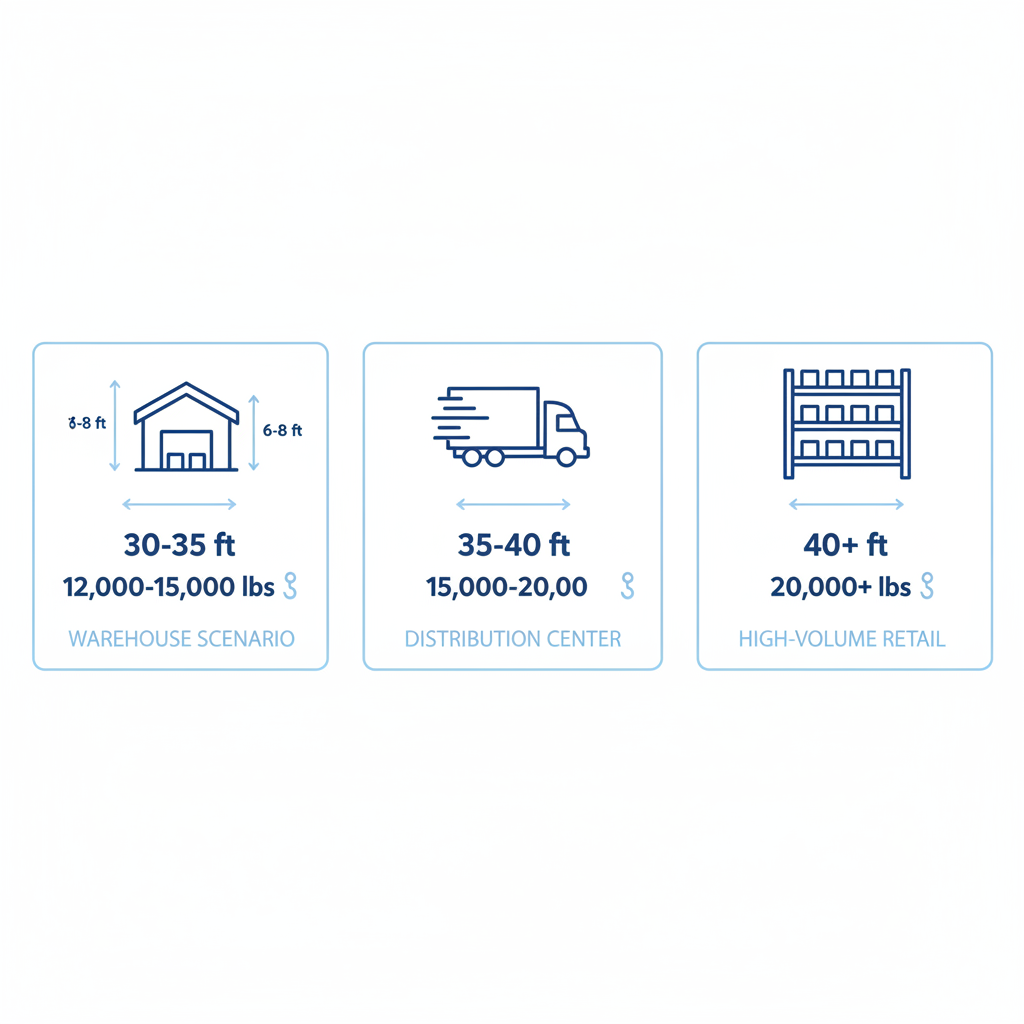
Sizing guide for freight loading ramps in various warehouse applications
Efficiency Improvements and Best Practices
Freight loading ramps significantly boost operational efficiency by streamlining pallet handling and reducing manual labor. In warehouses, these solutions can cut loading times by up to 30% compared to traditional methods, allowing forklifts to access trailers directly without lifts. We integrate portable dock ramps with semi-trucks by ensuring compatibility with standard trailer heights, often using adjustable lips for secure docking. For high-traffic environments, combining yard ramps with dock levelers maintains consistent flow, especially during peak seasons.
Best practices include regular maintenance to uphold performance: inspect welds and hinges quarterly, lubricate moving parts, and check for surface wear. For rental options, our short-term programs suit construction sites or seasonal demands, while purchases benefit long-term users like manufacturing plants. Rental versus buy decisions hinge on usage frequency–rent for under six months to avoid upfront costs, or opt for rent-to-own for flexibility. Always pair ramps with safety gear, such as wheel stops, to prevent accidents, aligning with WBDG emphasis on productivity and security.
In practice, clients like those in agribusiness have enhanced workflows by positioning portable freight bridges adjacent to staging areas, protected from weather via dock seals. This setup minimizes goods exposure and supports electric forklifts for lower emissions. Follow manufacturer instructions for all installations, and observe safety procedures. Financing terms are subject to approval; contact our team for details. By focusing on these strategies, facilities achieve reliable warehouse loading solutions tailored to their needs.
Advanced Considerations for Freight Loading Ramps
When optimizing operations in demanding industrial settings, advanced considerations for Freight Loading Ramp solutions become essential. We at Medlin Ramps, with over 35 years in the material handling industry, specialize in elevating yard ramps and portable dock ramps to meet complex needs in manufacturing and logistics. Our custom freight loaders address unique site constraints, ensuring seamless integration into your workflow.
Custom engineering forms the cornerstone of our advanced offerings. We fabricate yard ramps tailored to specific dimensions, such as irregular dock heights or uneven terrain common in construction sites. For instance, a recent project for a logistics firm involved reinforcing a portable dock ramp to handle 25,000 pounds, exceeding standard capacities while adhering to ANSI MH30.1-2022 standards for dock leveling devices. High-capacity reinforcements incorporate heavy-duty steel and tested structural integrity, allowing safe forklift access without compromising stability. Integration with guard rails and man baskets further enhances safety, preventing falls during loading as per OSHA guidelines for powered industrial trucks. These features ensure compliance and durability, with our multiple U.S. facilities enabling international shipping to enterprise clients like SpaceX. Always consult us for site-specific load requirements, as exceeding rated capacities can pose risks.
To illustrate the value of upgrades, consider the following comparison of standard and advanced ramp features, informed by ANSI and OSHA standards:
| Feature | Standard Ramp | Advanced Ramp | Benefit |
|---|---|---|---|
| Lift Mechanism | Manual crank | Hydraulic assist | Easier height adjustment |
| Customization | Basic sizes | Full bespoke (combos) | Tailored to site |
| Capacity Add-Ons | Up to 20,000 lbs | Reinforced for 25,000+ lbs | Heavy freight handling |
These enhancements provide significant upgrade value, particularly in high-volume environments where manual operations slow productivity. Investing in advanced options pays off when standard ramps fall short on efficiency or customization, as seen in shipping sector case studies where hydraulic assists reduced adjustment times by streamlining load handling.
Our rent-to-own programs offer flexible capital budgeting, allowing businesses to access premium yard ramps without upfront costs. Short- and long-term rentals suit varying project needs, while combos pairing portable docks with ramps integrate seamlessly for ground-to-dock transitions. For choosing the right yard ramp for forklifts, we recommend assessing load weights and site layouts during consultation–our experts guide sizing to optimize space in warehouses. This approach answers queries on rental options and costs indirectly through tailored financing, subject to approval.
Efficiency optimizations shine through our advanced dock solutions, particularly ramp combos that boost loading dock efficiency. By combining portable dock ramps with hydraulic features, operations in agribusiness or recycling achieve faster throughput, aligning with OSHA’s emphasis on stable load positioning to prevent accidents.
Frequently Asked Questions on Freight Loading Ramps
What is a portable dock ramp? A portable dock ramp provides flexible ground-to-dock access, combining a ramp with a dock plate for efficient loading in areas without permanent docks. We offer models engineered for durability in warehousing and distribution.
How much weight can yard ramps support? Yard ramps typically handle capacities from 12,000 to 20,000 pounds, depending on the model. Always consult specifications and do not exceed rated capacities for safety.
Are portable dock ramps suitable for semi trucks? Yes, our portable dock ramps accommodate semi trucks with heights up to 60 inches, facilitating smooth trailer loading with forklift access.
What are the benefits of mobile yard ramps? Mobile yard ramps enhance efficiency by enabling loading at various yard locations, reducing downtime and improving workflow in manufacturing and shipping.
How do I determine the right size for a freight loading ramp? Measure trailer height and required incline angle, typically 12 to 16 degrees, to ensure safe and accessible sizing for your application.
Are rental options available for yard ramps? We provide short- and long-term yard ramp rentals across the United States, including rent-to-own programs tailored to commercial needs.
What materials are used in portable dock ramps? Our portable dock ramps feature heavy-duty carbon steel construction for strength and longevity in demanding industrial environments.
These ramp FAQs offer loading query solutions; contact us for personalized guidance to optimize your material handling setup.
Key Insights on Freight Loading Ramps
Freight loading ramps stand as essential loading tools for modern industrial operations, optimizing dock efficiency as outlined in WBDG standards for space utilization and safe goods movement. These industrial ramp solutions, including robust yard ramps and portable dock ramps, deliver superior capacities, precise sizing for diverse needs, and durable materials that enhance workflow without compromising safety.
At Medlin Ramps, we leverage our 35 years in the material handling industry and facilities across the US to offer flexible rental and purchase options tailored to your requirements. We invite you to contact our team for expert guidance on selecting the ideal Truck Loading Ramp.
Empower your facility with proven solutions that drive reliability and efficiency.