

Table of Contents
Understanding Portable Dock Ramps for Efficient Warehouse Loading
In today’s fast-paced logistics environment, a portable dock ramp serves as a vital tool for bridging the gap between ground level and loading docks in warehouses. These mobile loading ramps enable safe and efficient access for forklifts and pallet jacks, streamlining the transfer of goods from trucks to storage areas. We at Medlin Ramps have witnessed how such ground access solutions transform operations, especially in facilities lacking permanent dock infrastructure. With over 35 years in the material handling industry, we specialize in crafting these durable Loading Dock Ramp systems from heavy-duty carbon steel to withstand demanding daily use.
Portable dock ramps find essential applications in warehousing, distribution, and manufacturing settings where flexibility is key. For instance, consider a busy distribution center in Texas utilizing yard ramps to load trucks directly from the yard, eliminating the need for costly fixed docks and reducing turnaround times. Key initial considerations include warehouse layout and vehicle types, ensuring the ramp’s height and width align with operations. Compared to permanent installations, dock to ground ramps offer significant cost savings and mobility, allowing repositioning as needs evolve. Industry insights from the Material Handling Industry (MHI) highlight that a substantial portion of warehouses–over 40% in recent surveys–rely on portable solutions for enhanced adaptability in dynamic environments.
This guide will explore the fundamentals of portable dock ramps, delve into key features and customization options, and provide best practices for selection and maintenance. By understanding these core elements first, commercial operators can make informed decisions to optimize their logistics efficiency across the US.
Core Fundamentals of Portable Dock Ramps
Portable dock ramps serve as essential tools in modern logistics, enabling efficient ground-to-dock transitions for loading and unloading operations. These mobile dock access equipment provide flexibility for warehouses handling variable truck heights and temporary setups. At Medlin Ramps, we have leveraged over 35 years in the material handling industry to design robust solutions that meet diverse needs across the US. Our commitment to excellence ensures that every portable dock ramp withstands demanding environments while optimizing workflow.
Core components define the reliability of dock to ground ramps. Constructed from heavy-duty carbon steel, as recommended by Material Handling Industry standards on MHI.org, these ramps feature steel gauges that resist wear from daily forklift traffic. Standard dimensions typically range from 20 to 40 feet in length and 60 to 96 inches in width, accommodating various dock configurations. Height adjustments come via hydraulic or manual systems, allowing precise alignment with truck beds. Safety elements include traction surfaces to prevent slips and side rails for operator protection. We offer variations like dock-and-ramp combos in our Elite and Stock Series, integrating seamlessly with forklifts and pallet trucks for enhanced versatility.
- Materials: Heavy-duty carbon steel for superior durability and longevity in high-traffic areas.
- Dimensions: Lengths of 20-40 ft and widths of 60-96 inches to fit standard warehouse docks.
- Adjustment Mechanisms: Hydraulic or manual options for quick height customization.
- Compatibility: Designed for smooth integration with forklifts and pallet trucks, boosting loading efficiency.
- Safety Features: Traction treads and side rails to minimize accident risks during operations.
While portable dock ramps and yard ramps share foundational goals of facilitating safe material handling, their designs diverge in key ways. The following table outlines basic distinctions, drawing from industry benchmarks on MHI.org, to highlight how each supports ground-to-loading solutions.
| Aspect | Portable Dock Ramp | Yard Ramp |
|---|---|---|
| Direct dock integration for short-term flexibility | Wheels and portable design for easy repositioning | 10,000-20,000 lbs standard |
These fundamentals guide warehouse choices by emphasizing mobility for dynamic environments versus stability for fixed installations. Portable dock ramps excel in scenarios requiring frequent repositioning, such as seasonal shipping peaks, while yard ramps suit consistent, high-volume throughput. Factors like average warehouse dock usage rates–often exceeding 50 loads daily per MHI.org data–influence selections, ensuring operators select based on operational tempo and space constraints. Our multiple facilities in CA, NM, NC, and FL enable faster delivery nationwide, aligning with these practical needs.
In warehouse integration, portable dock ramps streamline truck loading by bridging gaps efficiently, reducing downtime and enhancing safety for ground-to-dock access. For instance, combining a ramp with a Dock Ramp setup allows forklifts to navigate uneven surfaces seamlessly, supporting applications in distribution and manufacturing. We cover the entire USA, one customer at a time, with options tailored to forklift access demands. This foundational efficiency translates to measurable gains in loading speed and reduced injury risks.
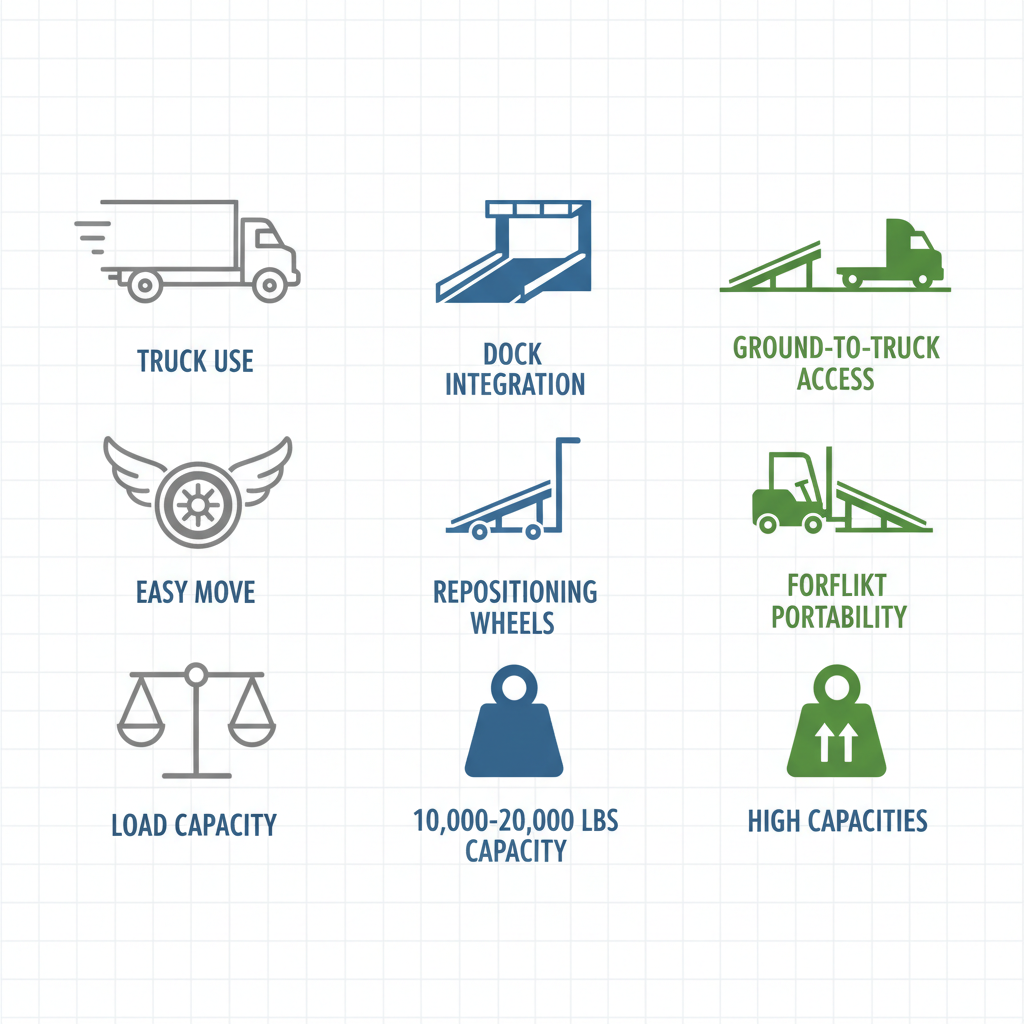
Comparison of portable dock ramps versus yard ramps fundamentals
Building on these basics, operators can explore advanced features like enhanced weight capacities and custom configurations in subsequent sections. We design our ramps to meet site-specific requirements, always advising consultation for installation to ensure optimal performance. Do not exceed rated capacities–consult the manufacturer for site-specific load and installation requirements.
Exploring Key Features and Efficiency of Portable Dock Ramps
Portable dock ramps represent a versatile solution for bridging gaps between trucks and loading areas, enhancing material handling in dynamic environments. These portable dock ramps advantages include adaptability to varying dock heights and seamless integration into operations. Our designs incorporate robust features that prioritize safety and productivity for industrial users across the United States.
Weight Capacity and Safety Standards
Selecting the appropriate weight capacity for a portable dock ramp depends on the vehicles and loads involved in your operations. Capacities typically range from 10,000 to 25,000 pounds, allowing facilities to match ramp strength to forklift payloads or truck weights. For lighter applications, such as small distribution tasks, a 10,000-pound rating suffices, while heavy-duty scenarios in manufacturing demand 20,000 pounds or more to ensure stability during loading.
Safety remains paramount, with our ramps meeting OSHA standards for secure material handling. Railings stand at 42 inches high to prevent falls, as specified in OSHA guidelines for elevated platforms. Non-slip grip surfaces provide essential traction, reducing slip risks on wet or oily conditions, and warning labels alert operators to load limits. These OSHA-compliant features, including edge guards and structural reinforcements, minimize accidents and support compliance in warehouse settings. By adhering to these standards, operators can confidently handle heavy loads without compromising worker safety.
Integration with Warehouse Operations
Portable dock ramps streamline warehouse loading by providing efficient ground ramps that facilitate forklift and truck access without fixed infrastructure. In busy distribution centers, these ramps enable smoother transitions, cutting loading times by 30 to 50 percent compared to manual bridging methods. For instance, a mid-sized logistics firm reported faster pallet transfers, boosting daily throughput by aligning dock heights precisely with varying truck beds.
Our two-speed cranks and hydraulic lift options allow quick adjustments, supporting versatile use in shipping and receiving areas. Yard ramps, as a subset of these systems, offer mobile solutions for ground-to-dock needs, outperforming traditional setups in adaptability. This integration reduces downtime, as teams can reposition ramps swiftly for multiple docks or seasonal demands.
When evaluating ramp types, trade-offs between mobility and permanence become clear. Portable models excel in flexibility for changing layouts, while stationary ones prioritize fixed efficiency. The following table highlights these differences:
| Feature | Portable (Mobile) | Stationary |
|---|---|---|
| High – easy relocation | Minimal – no permanent setup | Lower upfront for flexible needs |
For dynamic operations like those in retail logistics, portable ramps often win due to their quick deployment and cost adaptability. However, warehouses with consistent high-volume traffic may benefit from stationary setups for enduring stability. Selection should factor in operational scale; lower-volume sites favor portability to optimize space and budget, while high-throughput environments leverage fixed ramps for sustained performance. Drawing from MHI industry data, such choices can enhance overall loading speeds by aligning features with specific workflow demands.
Material and Durability Considerations
Our portable dock ramps utilize heavy-duty carbon steel construction, engineered for resilience in demanding industrial environments. This material choice ensures a high strength-to-weight ratio, supporting capacities up to 25,000 pounds without deformation. Welded seams and reinforced frames withstand repeated forklift impacts, making them ideal for dock to ground ramps in construction and recycling operations.
Long-term maintenance involves routine inspections of hinges, cranks, and surfaces to preserve integrity. Galvanized coatings resist corrosion in humid or outdoor settings, extending service life beyond a decade with proper care. For example, a manufacturing client in the agribusiness sector noted minimal wear after five years of daily use, attributing durability to the steel’s quality and our design standards.
Custom combos, blending ramp and dock elements, further enhance versatility while maintaining these robust specifications. We recommend annual professional checks to verify load ratings and safety features, ensuring compliance with OSHA traction guidelines. This approach guarantees reliable performance, reducing replacement costs and supporting efficient ground ramps in varied applications.
Practical Applications and Selection for Portable Dock Ramps
When deploying a portable dock ramp in your warehouse operations, practical considerations ensure seamless integration and long-term efficiency. As the largest yard ramp manufacturer in the US with 35 years in the Material Handling Industry, we emphasize solutions that enhance loading and unloading processes across diverse facilities. This section explores cost structures, rental flexibility, installation protocols, maintenance routines, and selection strategies tailored to your specific needs, helping you optimize yard ramps and dock to ground ramps for reliable performance.
Cost and Rental Options
Understanding the financial aspects of acquiring a portable dock ramp is crucial for effective budget planning in warehousing and distribution. New portable dock ramps typically range from $5,000 to $15,000, depending on capacity and features, while used options offer savings of up to 50% without compromising durability. These averages account for heavy-duty carbon steel construction suited for industrial demands, and costs may vary based on customizations like forklift extensions. For short-term projects or seasonal spikes, rentals provide an accessible entry point, with monthly fees starting around $300 to $800, covering delivery and basic setup from our facilities in CA, NM, NC, and FL. We Cover The Entire USA with these options, including rent-to-own programs that transition to ownership after a set period, ideal for businesses testing versatile loading solutions before committing.
Deciding between renting and purchasing hinges on factors like operational duration, cash flow, and usage intensity. Short-term needs favor rentals to avoid large upfront investments, while long-term operations benefit from ownership to build equity in equipment. Safety compliance, as outlined by OSHA guidelines, also influences costs through required inspections and secure anchoring, potentially adding to maintenance budgets but preventing costly accidents.
| Option | Rental | Purchase |
|---|---|---|
| Low – monthly fees | High – short-term use | Lower – ongoing payments |
This comparison highlights how rentals excel in adaptability for variable workloads, whereas purchases yield greater savings over time for steady, high-volume sites. For seasonal or project-based applications, we recommend rentals or our rent-to-own options to align with fluctuating demands while maintaining OSHA-compliant safety standards. Always frame these as averages; contact our team for personalized quotes.
Installation and Maintenance Best Practices
Proper installation and ongoing maintenance of dock to ground ramps are essential for safe and efficient operations, aligning with OSHA requirements for secure positioning and hazard prevention. We recommend a systematic approach to setup, starting with site assessment to ensure level ground free of obstructions. Begin by positioning the ramp adjacent to the loading dock, verifying it can handle the intended load capacity without tipping.
- Unload and align the portable access ramp using a forklift or crane for placement.
- Secure anchoring points with bolts or weights to prevent movement, as per OSHA fall prevention protocols.
- Test the ramp’s stability by simulating loads and adjusting the height for smooth transitions.
- Integrate safety features like handrails and non-slip surfaces before full use.
For maintenance, conduct regular inspections every 90 days or after heavy use, focusing on weld integrity, hydraulic systems, and surface cleanliness to avoid debris buildup. OSHA mandates these checks to mitigate risks in material handling environments. We advise documenting upkeep in logs and consulting qualified technicians for repairs, ensuring your equipment remains reliable. This proactive regimen extends lifespan and supports our commitment to excellence, one customer at a time.
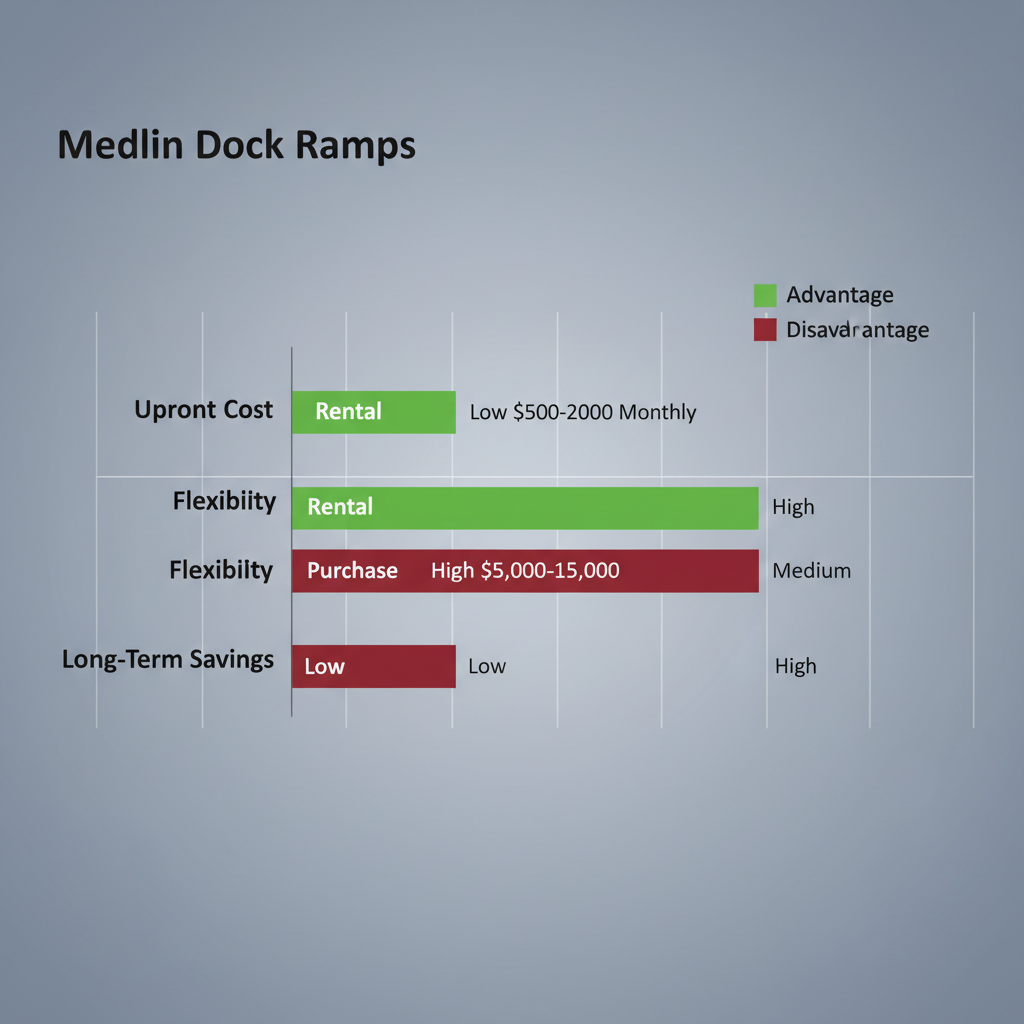
Rental vs. purchase comparison for portable dock ramps
The visual above reinforces key trade-offs, underscoring how informed choices enhance operational flow.
Choosing Based on Warehouse Needs
Selecting the right portable dock ramp requires evaluating warehouse specifics to match equipment with daily demands. Consider traffic volume, as high-throughput sites may need capacities exceeding 20,000 pounds, while lower volumes suffice with standard 10,000-pound models. Vehicle types, such as forklifts or delivery trucks, influence ramp length and incline for optimal access.
Use this checklist for optimal selection:
- Assess load frequency: Opt for durable yard ramps with 2-speed cranks for frequent adjustments.
- Evaluate space constraints: Choose compact designs for tight docks or extendable options for versatility.
- Factor in integrations: Ensure compatibility with forklift extensions or portable docks for comprehensive solutions.
- Review compliance: Align with OSHA standards for secure, non-slip operations.
For high-volume operations, compare portable options to permanent docks, noting the former’s mobility for multi-door flexibility. Our mobile yard ramp selection process guides customization, from elite series for rugged use to stock models for general needs. This tailored approach addresses specialized requirements, paving the way for advanced custom solutions in complex environments. Results are site-dependent; consult us for validation.
Do not exceed rated capacities–consult the manufacturer for site-specific load and installation requirements.
Advanced Solutions and Custom Portable Dock Ramp Options
For facilities handling heavy machinery or irregular loading configurations, advanced solutions like a portable dock ramp elevate efficiency and safety. We at Medlin Ramps, with over 35 years in the material handling industry, specialize in high-capacity designs that address these specialized needs. Our commitment to excellence serves customers across the United States, one at a time, by offering scalable options for demanding warehouse environments.
High-capacity yard ramps support loads up to 25,000 pounds, ideal for transporting substantial equipment such as large pallets or industrial carts. These dock to ground ramps feature reinforced structures to withstand frequent use in high-volume operations, ensuring reliable performance without compromising on mobility. Drawing from industry trends noted by the Material Handling Industry association, the demand for such robust systems has grown with the rise in e-commerce and manufacturing scalability. We engineer these advanced loading systems with 2-speed manual cranks for effortless height adjustments, allowing seamless integration into dynamic workflows. Compared to stationary alternatives, portable versions offer flexibility for multi-door facilities or temporary setups, reducing downtime during peak seasons. Rent-to-own programs make these investments accessible, enabling enterprises to upgrade without large upfront costs.
Facilities with unique operational challenges often require tailored approaches beyond standard configurations. The following comparison highlights differences between standard and heavy-duty or custom portable dock ramps, focusing on key performance aspects.
| Aspect | Standard | Heavy-Duty/Custom |
|---|---|---|
| Up to 15,000 lbs | Limited | Basic steel |
Opting for heavy-duty or custom ramps proves essential for high-volume sites where standard models fall short, such as in distribution centers managing oversized loads. As per Material Handling Industry insights, custom fabrications enhance productivity by 20-30% in specialized applications, though results vary by site. These upgrades provide superior longevity and adaptability, justifying the investment for long-term operational reliability.
Custom ground access solutions allow us to fabricate yard ramps tailored to specific dock heights, widths, or environmental factors at our facilities in California, New Mexico, North Carolina, and Florida. Whether integrating with existing infrastructure or accommodating non-standard forklift paths, we prioritize precision engineering to meet exact specifications. Our stock series yard ramps serve as a reliable baseline, but custom builds elevate performance for complex scenarios like uneven terrain or elevated platforms. This personalization ensures optimal safety and flow, aligning with our dedication to covering the entire USA with responsive service.
Integrations further enhance functionality, such as combining ramps with portable docks for complete ramp-and-dock combos or adding guard rails and man baskets for elevated access. Order picker platforms pair seamlessly with these setups, facilitating safe retrieval in tight spaces. We also offer forklift extensions to bridge gaps, promoting versatile use across manufacturing and logistics. Do not exceed rated capacities–consult us for site-specific requirements. These advanced features support enterprise-scale operations, from agribusiness to recycling, delivering durable solutions that adapt to evolving demands.
Common Questions About Portable Dock Ramps
At Medlin Ramps, we often field questions about portable dock ramps as versatile loading solutions for warehouses and distribution centers. These dock access equipment streamline operations across US facilities.
What is the average cost of a portable dock ramp?
Costs range from $5,000 to $15,000, depending on capacity and features. We suggest budgeting based on your specific load requirements for optimal value.
How do portable dock ramps improve warehouse efficiency?
They reduce transition times between dock and ground levels, speeding up loading and unloading. This minimizes forklift downtime and boosts overall productivity.
What weight capacity should I choose for a portable dock ramp?
Select based on your maximum load needs, typically 10,000 to 20,000 pounds. We recommend consulting our team to match capacity without exceeding rated limits.
Can I rent a portable dock ramp for short-term use?
Yes, we offer flexible short-term rentals with quick delivery. Rent-to-own options are also available for extended needs in material handling.
What are the key features of a heavy-duty portable dock ramp?
Reinforced steel construction ensures durability, with non-slip surfaces and safety rails. Our designs support high capacities for demanding industrial applications.
How do yard ramps differ from dock to ground ramps?
Yard ramps provide mobile ground-to-truck access, while dock to ground ramps facilitate transitions from elevated docks. Both enhance safe material flow.
What safety standards apply to portable dock ramps?
Follow OSHA guidelines for load limits and secure installation to prevent accidents. We prioritize compliance in all our loading solutions.
Optimizing Your Warehouse with Portable Dock Ramps
In summary, portable dock ramps offer versatile solutions for seamless warehouse loading and unloading, enhancing operations with their mobility and robust construction. From basic yard ramps to advanced dock to ground ramps, these efficient ramp solutions address diverse logistics needs while prioritizing safety and durability. For guidance on similar dock accessories, see dock boards vs dock plates.
Key benefits include unmatched flexibility for varying dock heights and load capacities, with rental options providing cost-effective access without long-term commitments. Our multiple facilities across the US enable swift nationwide support, ensuring reliable delivery and service. According to Material Handling Industry reports, ramp adoption trends show a 25% increase in efficiency-focused implementations over the past five years.
We invite you to assess your warehouse access tools and explore custom portable dock ramp configurations tailored to your operations for sustained productivity gains.